

Pilates is a form of exercise that has been around since the early 20th century. It was created by Joseph Pilates and can help to improve flexibility, strength, and endurance. Many people use Pilates to stay in shape, but it can also be for rehabilitation. However, it can also provide you with so many other benefits. So to help you understand a bit more about this exercise, this article will take a look at some of the basics of Pilates and how it can benefit your health!
What Is Pilates?

Simply put, Pilates is a system of exercises. The exercises can improve physical strength, flexibility, and posture. Pilates can be done using various equipment but most commonly uses a mat and small props such as resistance bands or weights. Pilates is often in group classes, but you can also do it at home with the help of online or DVD instructions.
Most people associate Pilates with core exercises, and a strong and stable core is essential for performing the exercises correctly. However, Pilates is much more than just core strengthening. Focusing on breath control and proper alignment means that Pilates can also help improve your posture and increase your flexibility.
The History Of Pilates
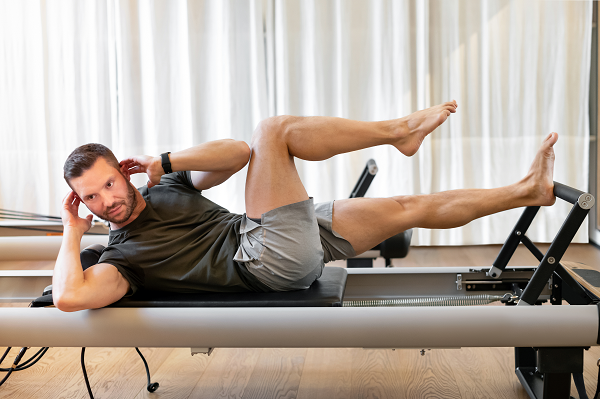
Joseph Pilates was born in 1880 in Germany. As a child, he was often sick and weak, so he turned to physical fitness to build his strength. He quickly developed a passion for movement and went on to train as a circus performer and boxer. In 1912, Pilates immigrated to the United States, where he opened a gym in New York City. There, he began to develop his system of exercise, which he called “Contrology.”
Pilates believed that physical and mental health were interconnected, and his exercises emphasized breath control and proper alignment. Over time, the Pilates method began to gain popularity, and it is now practiced worldwide by people of all ages and abilities. Today, Pilates is considered an essential part of many people’s fitness routines, and its holistic approach to health continues to inspire new generations of practitioners.
nd_paragraph -->The Benefits Of Pilates

While Pilates is often associated with physical fitness, the benefits of the practice go far beyond just improving your strength and flexibility. For example, here is a list of some of the know benefits of Pilates:
- It can help relieve pain
- Improve your posture
- Increase your flexibility
- Help you to focus and concentrate
- Give you more energy
- Reduce stress levels
- Help improve your breathing
As you can see, Pilates offers a wide range of benefits aside from just physical ones, which is what makes Pilates such a popular form of exercise for people of all ages and abilities. Now let’s look at these benefits in a bit more detail.
Relieve Pain

Assuming your pain is muscular in origin and not caused by an injury or bone issue, there are many reasons why Pilates can be effective in alleviating discomfort. When you experience pain, your body often tightens up in response. This guarding can lead to further imbalances and compensation patterns that end up causing more pain.
Pilates focuses on lengthening and strengthening the muscles helps to undo these patterns of tightness and imbalance, which in turn can help to reduce or eliminate pain. In addition, Pilates exercises help improve circulation and increase the range of motion, which can also help reduce pain.
Improve Posture
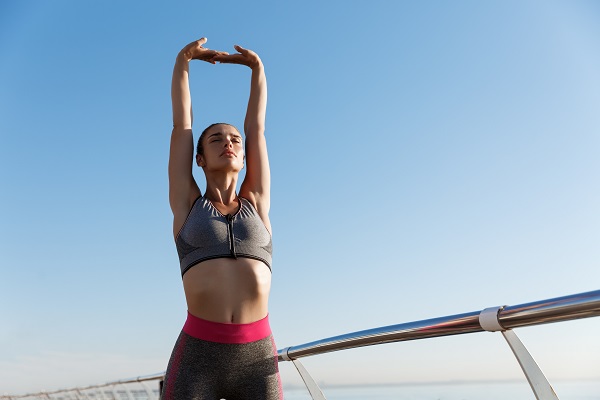
Unlike other forms of exercise, Pilates focuses on lengthening and strengthening the deep abdominal muscles that support the spine. As a result, Pilates can help to alleviate pain and improve alignment. In addition, you can do Pilates exercises while lying down or sitting, which helps to reduce strain on the back and neck. With regular practice, you may find that your posture starts to improve, both inside and outside of the studio.
Related Posts
The #1 Exercise to Strengthen Your Knees After 50

Knee pain and joint stiffness often become more noticeable after 50, but that doesn’t mean they have to limit your mobility. Strengthening your knees can…
The #1 Reason You’re Gaining Belly Fat Despite Doing Cardio
Many people turn to cardio workouts in hopes of shedding stubborn belly fat, believing that running, cycling, or spending hours on the elliptical will lead…

The Only 3 Supplements You Actually Need to Get in Shape

The world of fitness supplements can feel overwhelming, with shelves packed full of products promising miraculous results. Many people spend hundreds of dollars on unnecessary…