Contents
Boosts Metabolism

Engaging in squat exercises has a profound effect on one’s metabolic rate. This is attributed to the muscle-building aspect of squats, which increases the body’s energy expenditure even during periods of rest. The more muscle mass one has, the higher the metabolic rate, leading to an accelerated calorie burn throughout the day. This mechanism is a key factor in fat loss and can significantly aid in weight management and obesity prevention.
The metabolic benefits of squats underscore their role in a well-rounded fitness and health regimen. Incorporating squats into regular workout routines not only aids in building lean muscle but also in optimizing metabolic health. This contributes to a more efficient body system, capable of burning calories more effectively, which is essential for maintaining a healthy weight and overall well-being.
Improves Posture
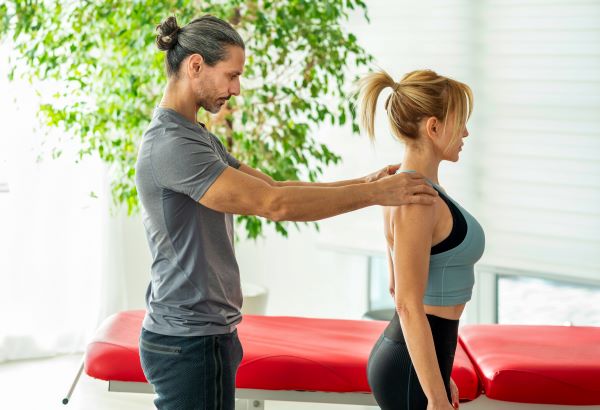
Squats have a beneficial impact on posture by targeting the back and core muscles. Strengthening these areas is crucial for maintaining spinal alignment and reducing the likelihood of back pain, which is often exacerbated by poor posture. The compound nature of squats means they require and thus enhance core stability, supporting the upper body and promoting a more upright and confident stance.
The relationship between squatting and improved posture is clear, with the exercise promoting core strength and stability. These improvements are not only beneficial for physical health but also contribute to a more poised and confident appearance. Proper squat form is essential in achieving these posture benefits, highlighting the importance of technique in maximizing the effectiveness of the exercise.
Encourages Functional Fitness

Functional fitness is about preparing the body for real-life movements and tasks, and squats are at the heart of this approach. The exercise mimics natural movement patterns, such as sitting and standing, making it highly relevant to daily activities. This relevance ensures that squatting improves one’s ability to perform a wide range of activities more efficiently, from climbing stairs to lifting heavy objects, thereby enhancing overall quality of life.
Squats not only aid in performing daily tasks with ease but also in maintaining independence as one ages. The strength, mobility, and balance gained through regular squatting play a crucial role in aging healthily, allowing older adults to continue performing everyday tasks without reliance on assistance. The holistic benefits of squats on functional fitness are a testament to their role as a fundamental exercise for individuals at any stage of life.
Enhances Cardiovascular Health
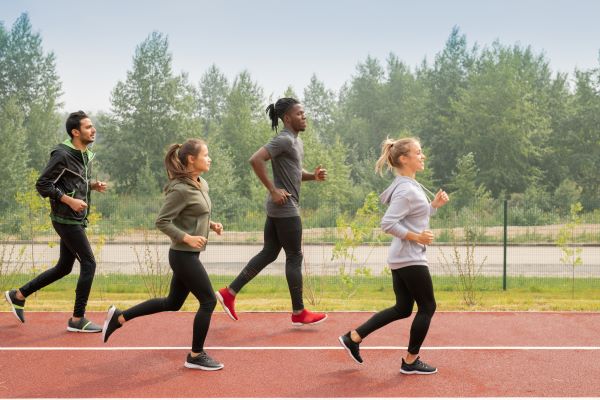
Regular squatting, especially at moderate to high intensities, can significantly boost cardiovascular health. This form of exercise increases heart rate, promoting better blood circulation and heart function. The cardiovascular system benefits from the dynamic movement of squatting, leading to improved endurance and a lower risk of heart-related diseases. This aspect of squats complements their physical benefits with vital health improvements, underscoring the versatility of the exercise.
Including squats in a workout regimen can lead to substantial improvements in cardiovascular health, akin to the benefits derived from traditional aerobic exercises. This enhancement in heart health is crucial for overall well-being, contributing to a lower incidence of hypertension and improved circulatory health. Squats, therefore, are not only beneficial for strengthening muscles and joints but also play an essential role in promoting a healthy heart.
The Bottom Line
Squats stand out as a multifaceted exercise, offering a wide array of benefits that extend beyond mere physical strength to include improvements in bone health, injury prevention, mobility, balance, athletic performance, metabolic rate, posture, functional fitness, and cardiovascular health. The comprehensive nature of these benefits highlights the importance of squats in any fitness routine, regardless of an individual’s age or athletic ability. Embracing squats with the correct form and technique can lead to significant enhancements in overall health and well-being, affirming their status as an indispensable part of a balanced exercise regimen.