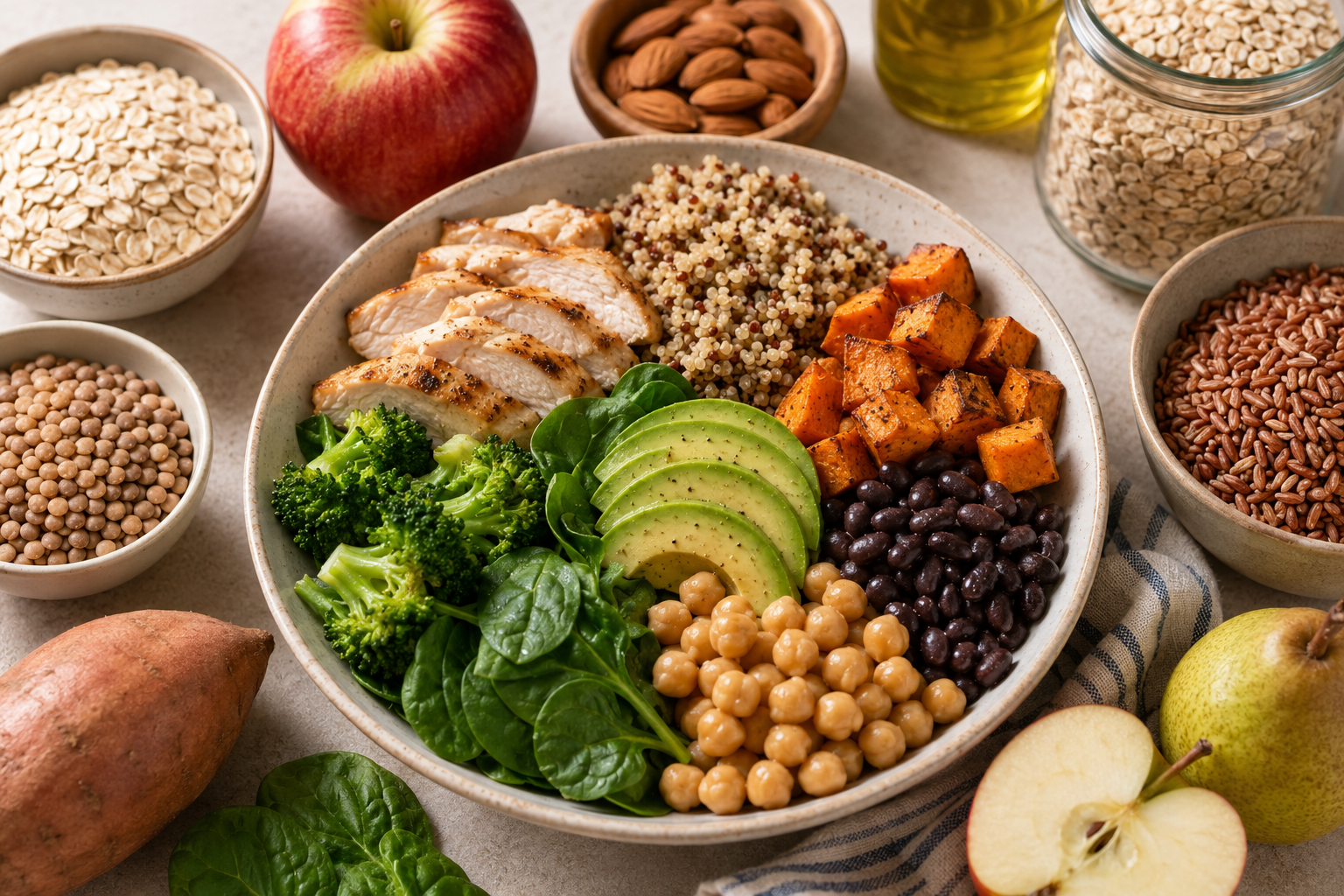
In an era where health consciousness is at its peak, individuals worldwide constantly search for effective ways to enhance their metabolic rate, thereby improving energy levels and facilitating weight loss. The “7-Day Metabolic Boosting Diet Plan” emerges as a beacon of hope, promising a temporary solution and a lifestyle change that paves the way to sustainable health improvements. This plan is meticulously designed to kickstart the metabolism through a series of dietary adjustments, each day focusing on a specific aspect of nutrition. From hydrating and nutrient-dense foods to the power of proteins and healthy fats, the plan encompasses a holistic approach to revitalizing metabolic functions.
Day 1: Kickstarting Your Metabolism

The journey begins with an emphasis on starting the day with a balanced breakfast, a crucial step in kickstarting the metabolic process. A breakfast rich in protein and whole grains provides the necessary energy to start the day and stimulates the metabolism, setting a positive tone for the day ahead. Green tea or a moderate amount of caffeine is recommended on this first day, owing to their metabolism-boosting properties. This, combined with a quick, high-intensity workout, can significantly enhance metabolic rate, proving that small, mindful adjustments to one’s morning routine can pave the way for noticeable health benefits.
The significance of breakfast in metabolic health is backed by numerous nutritional studies, which highlight its role in enhancing metabolic efficiency and controlling hunger throughout the day. It’s not just about what is eaten but also how it is consumed. Slow, mindful eating can further aid digestion and metabolic function, making it a key strategy in the metabolic-boosting diet plan. This day is the foundation for the week ahead, emphasizing the importance of breakfast and early-day habits in metabolic health.
Day 2: Hydration and Nutrient-Dense Foods

Hydration takes the spotlight on the second day, underscoring its critical role in metabolic processes. Drinking adequate amounts of water throughout the day can significantly boost the metabolic rate, aiding in the efficient breakdown of foods and absorption of nutrients. This day encourages the intake of fruits and vegetables with high water content, such as cucumbers and watermelons, to help meet hydration needs. Alongside hydration, the focus is on incorporating nutrient-dense foods into every meal, which provide the body with essential vitamins, minerals, and antioxidants without excessive caloric intake.
Nutrient-dense foods, like leafy greens, berries, and nuts, are beneficial for metabolism and support overall health by reducing inflammation and enhancing immune function. By consuming these foods, individuals can enjoy a variety of flavors and textures while nourishing their bodies and boosting their metabolism. The plan for Day 2 is designed to ensure that participants not only meet their hydration needs but also enjoy a diet rich in nutrients essential for optimal metabolic function.
Day 3: Power of Protein

On the third day, the diet plan focuses on protein, a macronutrient known for its significant impact on metabolic rate. Consuming a diet high in lean protein sources, such as chicken, fish, tofu, and legumes, can increase the thermic effect of food, meaning more calories are burned during digestion compared to fats and carbohydrates. This metabolic boost is crucial for weight loss and muscle maintenance, making protein a cornerstone of the metabolic-boosting diet. The day’s meal plan emphasizes including protein in every meal, ensuring the body receives a consistent supply of this vital nutrient throughout the day.
The benefits of a high-protein diet extend beyond metabolism; it also helps in satiety, reducing the likelihood of overeating by keeping hunger at bay. This approach not only aids in metabolic enhancement but also supports healthy eating habits by preventing frequent snacking on unhealthy foods. The strategic increase in protein intake on Day 3 catalyzes metabolic improvement, showcasing the multifaceted benefits of protein in a balanced diet.