

Maintaining the health of your brain is crucial for overall well-being, and physical activity plays a pivotal role in enhancing cognitive functions and emotional stability. Regular exercise not only boosts mental acuity but also contributes to long-term neurological fitness, warding off age-related decline and diseases. This guide explores the symbiotic relationship between physical activity and boosting brain health, providing insights into the biological mechanisms at play and practical advice for incorporating effective exercises into daily life. Embracing a physically active lifestyle can lead to improved memory, attention, and problem-solving skills, marking a significant step toward a healthier mind.
Understanding Brain Health

Brain health encompasses cognitive function, emotional well-being, and neurological stability, forming the foundation of our mental capabilities and quality of life. Cognitive function includes memory, attention, and problem-solving skills, while emotional well-being covers mood and stress management. Neurological fitness pertains to the brain’s overall condition, including the absence of neurodegenerative diseases. Understanding these components is essential for recognizing the impact of lifestyle choices, particularly physical activity, on maintaining and enhancing brain function and resilience against age-related cognitive decline.
The Science Behind Physical Activity and Brain Function
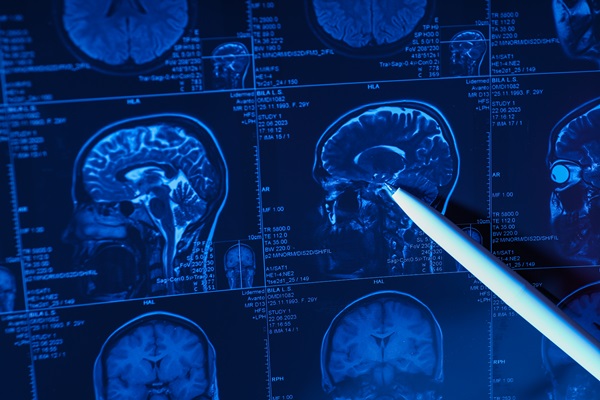
Physical activity stimulates the brain in several ways, primarily by increasing blood flow, which nourishes brain cells with oxygen and nutrients. This process also promotes neurogenesis, the creation of new neurons, particularly in the hippocampus, an area vital for memory and learning. Furthermore, exercise regulates neurotransmitters, balancing chemicals like dopamine, serotonin, and norepinephrine, which influence mood, attention, and energy levels. Studies consistently show that individuals engaging in regular physical activity have sharper cognitive functions, illustrating the profound impact of exercise on brain health.
Types of Physical Activities Beneficial for the Brain

Aerobic exercises, such as running, swimming, and cycling, are renowned for their brain-boosting benefits, enhancing cognitive functions and reducing the risk of neurodegenerative diseases. These activities improve cardiovascular health, which directly correlates with improved brain function due to better blood flow and oxygen supply to the brain. Strength training and coordination exercises also play a crucial role in brain health, as they not only build muscle but also enhance neural connections, improving motor skills and cognitive abilities. Including a mix of these exercises in a weekly routine can provide comprehensive benefits for both the brain and the body.
Tailoring Your Exercise Regimen for Brain Health

Creating an exercise regimen that prioritizes brain health involves combining different types of physical activities to stimulate various brain functions. Aerobic exercises boost cardiovascular health and neural growth, while strength training and flexibility exercises enhance neural connections and brain plasticity. It’s essential to develop a routine that is both enjoyable and challenging, incorporating activities that encourage new learning and coordination, such as dance or martial arts, to maximize cognitive benefits. Regularity is key, with consistent exercise being more beneficial than sporadic, intense workouts to ensure continuous nourishment and stimulation of the brain.
Establishing a balanced exercise program requires understanding individual fitness levels and cognitive needs. Starting with moderate activities and gradually increasing intensity and variety prevents burnout and injuries while maintaining engagement and motivation. Tailoring the regimen to include exercises one enjoys ensures sustainability and adherence, which is crucial for long-term brain health benefits. Consulting with fitness and medical professionals can also help in creating a personalized exercise plan that aligns with one’s health status and brain health goals.
The Role of Diet and Hydration in Enhancing Exercise Benefits

Nutrition plays a critical role in complementing the brain health benefits of physical activity. A diet rich in antioxidants, omega-3 fatty acids, and vitamins, found in foods like berries, fish, and leafy greens, can enhance cognitive function and protect against neurodegenerative diseases. Hydration is equally important; adequate water intake supports efficient brain function, aids in the delivery of nutrients to the brain, and helps eliminate toxins. The synergy between a balanced diet and regular exercise promotes optimal brain function, contributing to improved memory, focus, and mental clarity.
Moreover, certain nutrients, such as B vitamins and amino acids, are crucial for energy metabolism and neurotransmitter synthesis, directly impacting cognitive functions and mood. Consuming a balanced diet that includes a variety of nutrient-dense foods ensures that the body and brain have the necessary components to thrive, especially when coupled with regular physical activity. Avoiding excessive sugar and processed foods while prioritizing hydration can significantly enhance the cognitive benefits of exercise, leading to better brain health and overall well-being.