
7 Habits That Can Shorten Your Lifespan
How chronic lifestyle choices quietly damage your longevity
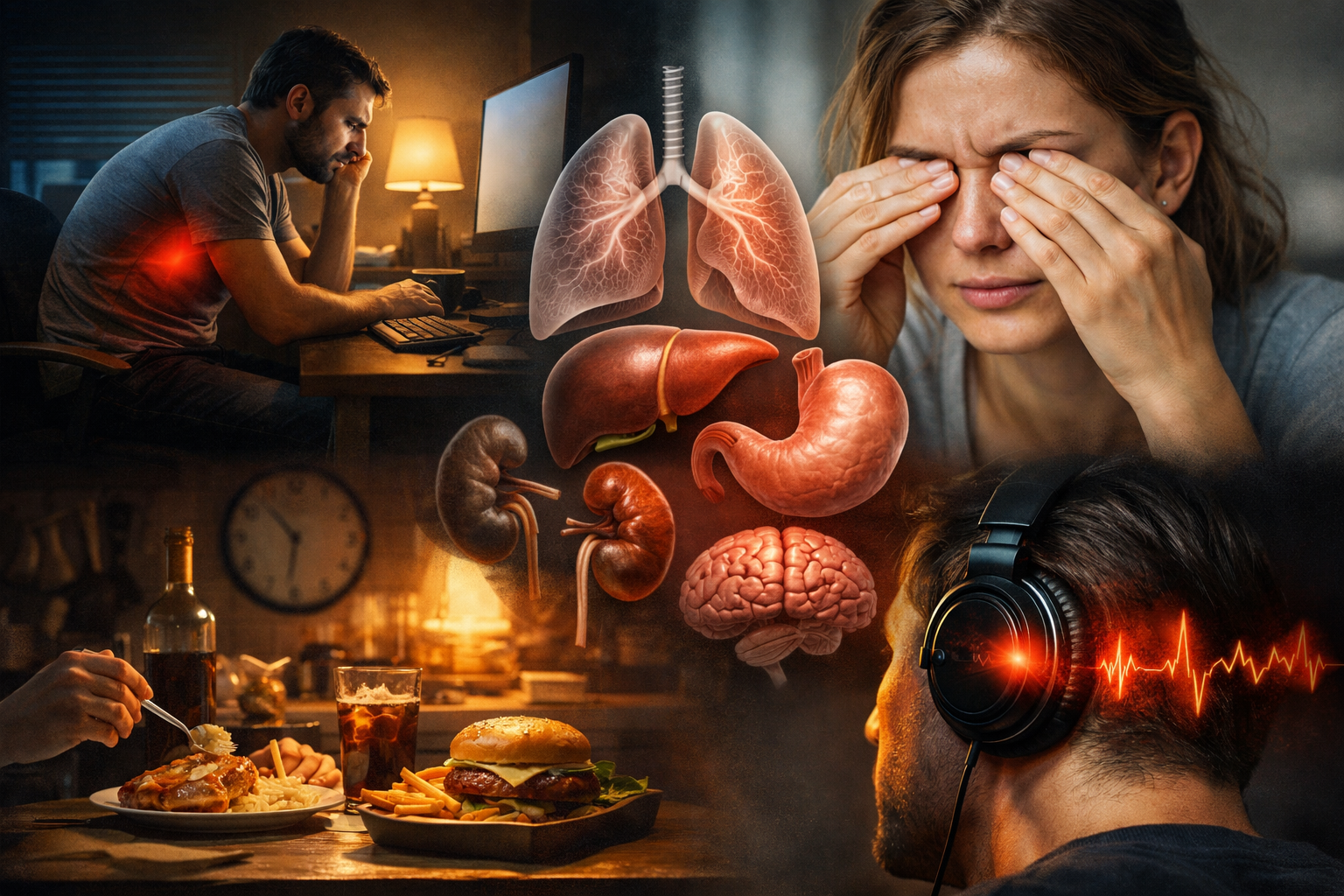
Habits that significantly shorten your lifespan often involve chronic lifestyle choices that damage the body over time. Research identifies several key culprits that work in concert to undermine longevity and quality of life: smoking actively damages lungs and blood vessels while weakening immunity, physical inactivity slows metabolism and circulation, poor diet choices loaded with excess sugar and processed foods drive chronic disease development, chronic stress and overthinking elevate cortisol levels, excessive alcohol consumption damages multiple organ systems, inadequate sleep deprivation of fewer than six hours or irregular patterns disrupts critical bodily functions, and social isolation removes crucial protective factors for both mental and physical health. Understanding these seven habits and their mechanisms provides the foundation for meaningful intervention and improved health outcomes.
Smoking stands as perhaps the most damaging habit on this list, actively destroying lung tissue, weakening blood vessels throughout the body, and suppressing immune function. The damage extends far beyond respiratory health, as smoking significantly increases risks of cancer across multiple organ systems, cardiovascular disease, and stroke. The mechanisms are well-documented: cigarette smoke introduces thousands of toxic chemicals into the bloodstream, each contributing to systemic inflammation and cellular damage. Former smokers and current smokers alike demonstrate markedly elevated risks of premature mortality compared to never-smokers, making cessation one of the most impactful health interventions available.
A sedentary lifestyle, often called “sitting disease,” has emerged as a significant independent risk factor for premature mortality. Extended periods of sitting slow metabolism, reduce circulation efficiency, and contribute to the development of heart disease and obesity. The problem compounds over time: those who spend excessive hours in seated positions show deterioration in cardiovascular function even if they exercise regularly. The damage occurs through multiple pathways—reduced blood flow, metabolic slowdown, and increased inflammatory markers—all of which contribute to accelerated aging and reduced lifespan.
Consuming processed foods and maintaining a poor diet directly fuels chronic disease development. Excessive processed foods, refined sugars, and unhealthy fats don’t simply cause weight gain; they trigger systemic inflammation, insulin resistance, and metabolic dysfunction. Over time, these dietary patterns lead to type 2 diabetes, cardiovascular disease, and early cognitive decline. The effects are cumulative and dose-dependent—the longer someone maintains poor dietary habits, the greater the accumulated damage to organs and tissues.
Excessive alcohol consumption represents another major pathway to reduced lifespan, with effects extending across multiple bodily systems. Heavy drinking is tied to liver disease development, increased cancer risk, depression, hypertension, and weakened immune function. The liver bears particular burden as it attempts to process and eliminate alcohol, leading to fatty liver disease, cirrhosis, and eventual organ failure. Beyond the liver, alcohol disrupts sleep architecture, impairs nutrient absorption, and increases inflammation throughout the body.
Key Health Facts
Smoking: Reduces life expectancy by 10+ years on average
Sedentary Behavior: Increases mortality risk equivalent to smoking
Poor Sleep: Associated with 26% increased mortality risk
Social Isolation: Carries mortality risk equivalent to smoking 15 cigarettes daily
Chronic stress and overthinking trigger a physiological cascade that damages health over time. Constant stress elevates cortisol, the body’s primary stress hormone, which at sustained high levels damages the heart, impairs cognitive function, suppresses immune response, and accelerates aging. The brain regions responsible for memory and emotion regulation—the hippocampus and prefrontal cortex—actually shrink under chronic stress exposure. This creates a vicious cycle where stress damages the very systems needed to cope with stress.
Poor sleep habits, whether involving insufficient duration or irregular schedules, undermine virtually every aspect of health. Sleep deprivation of fewer than six hours nightly is linked to weakened immunity, increased Alzheimer’s disease risk, type 2 diabetes development, and stroke. During sleep, the body performs essential maintenance: clearing metabolic waste from the brain, consolidating memories, regulating hormones, and repairing cellular damage. When this restorative process is chronically disrupted, the accumulated deficit manifests as accelerated aging and reduced longevity.
Social isolation and lack of community connection represent perhaps the most underestimated threat to longevity. Research consistently demonstrates that social isolation damages both physical and mental health, hastening mortality through multiple mechanisms. Lonely individuals show elevated inflammation markers, higher blood pressure, weakened immune function, and increased risk of depression. The cardiovascular system is particularly vulnerable; loneliness increases heart disease and stroke risk equivalently to smoking, obesity, and physical inactivity.
The encouraging news is that these habits, while damaging, are not inevitable. Research demonstrates that lifestyle changes produce measurable health improvements relatively quickly. Quitting smoking improves cardiovascular function within weeks and reduces cancer risk substantially within years. Increasing physical activity to 150 minutes per week of moderate exercise reverses metabolic dysfunction and reduces mortality risk across all causes. Dietary improvements produce weight loss and reduced inflammation within weeks, with cardiovascular improvements following in months. Prioritizing seven to nine hours of quality sleep restores immune function and mental clarity almost immediately.
Managing stress through meditation, exercise, or therapy reduces cortisol levels and protects cardiac health. Moderating alcohol consumption allows the liver to heal and reduces cancer risk substantially. Perhaps most critically, rebuilding social connections and community engagement provides protective benefits that extend across all health measures. These interventions work synergistically—addressing one habit often makes addressing others easier, creating positive momentum toward sustained health improvement.
Experts recommend several concrete steps for improving longevity. First, aim for at least 150 minutes of moderate-intensity exercise weekly—this can include brisk walking, cycling, swimming, or any activity that elevates heart rate. Second, prioritize sleep quality and consistency, targeting seven to nine hours nightly on a regular schedule; this single habit often catalyzes improvements in other areas. Third, actively manage stress through relaxing activities such as meditation, yoga, time in nature, or creative pursuits—identify what works for your particular psychology and commit to regular practice. Fourth, reduce or eliminate processed foods, focusing instead on whole foods, vegetables, lean proteins, and healthy fats. Fifth, establish or maintain meaningful social connections through regular contact with friends, family, or community groups. Finally, if you smoke or drink heavily, seek professional support for cessation; the health gains begin immediately and compound over time.
The science is clear: our daily habits directly determine our health trajectory and longevity. While these seven destructive habits—smoking, physical inactivity, poor diet, chronic stress, excessive alcohol, inadequate sleep, and social isolation—pose serious threats to lifespan, they remain within individual control. The path to better health isn’t mysterious; it requires consistent implementation of evidence-based practices across lifestyle domains. The time to begin is now, and the benefits accumulate from the first day of positive change.