

Cravings are a common experience that can make it difficult to maintain consistent eating habits, especially when they lead to frequent snacking or overeating. While cravings are often associated with willpower, they are usually influenced by biological factors such as blood sugar levels, hormones, and nutrient intake. Understanding the difference between true hunger and cravings can help guide better food choices throughout the day. Certain foods have been shown to naturally support appetite control by promoting fullness and stabilizing energy levels. By incorporating these foods into daily meals, it becomes easier to manage cravings in a balanced and sustainable way.
High Protein Foods That Keep You Full
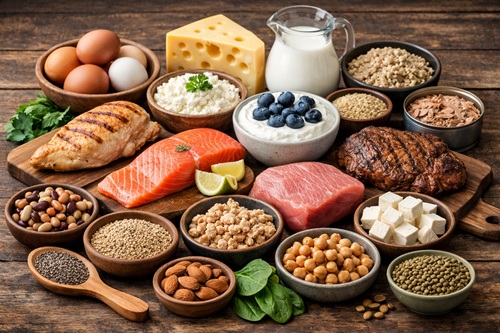
Protein plays a key role in reducing cravings by helping the body feel fuller for longer periods of time. When protein is consumed, it influences hormones that regulate hunger, such as ghrelin and peptide YY, which can help decrease the desire to eat between meals. Because protein takes longer to digest than carbohydrates, it provides a more sustained release of energy. This steady digestion process can prevent sudden drops in energy that often lead to cravings for quick snacks or sugary foods.
Including protein-rich foods in meals throughout the day can make a noticeable difference in appetite control. Foods such as eggs, lean meats, fish, dairy products, and legumes offer a variety of options for increasing protein intake. Even small additions, like adding Greek yogurt to breakfast or including beans in a salad, can contribute to a greater sense of fullness. Over time, maintaining adequate protein intake can help reduce the frequency and intensity of cravings, making it easier to stick to consistent eating patterns.
Fiber Rich Foods That Control Appetite

Fiber is another important nutrient that supports appetite control by slowing down digestion and promoting a feeling of fullness. Foods high in fiber take longer to break down in the digestive system, which helps extend the time between meals. Soluble fiber, in particular, forms a gel-like substance in the gut that can further slow digestion and help regulate appetite. This process can reduce the urge to snack by keeping hunger levels more stable throughout the day.
A variety of plant-based foods provide excellent sources of fiber, including whole grains, fruits, vegetables, beans, and lentils. Incorporating these foods into meals can help create a more balanced diet that naturally limits cravings. For example, choosing oatmeal instead of refined cereals or adding vegetables to main dishes can increase fiber intake without drastic changes. Over time, consistent fiber consumption can contribute to better appetite regulation and fewer sudden hunger spikes.
lpha-channel-opacity">
Healthy Fats That Promote Satisfaction
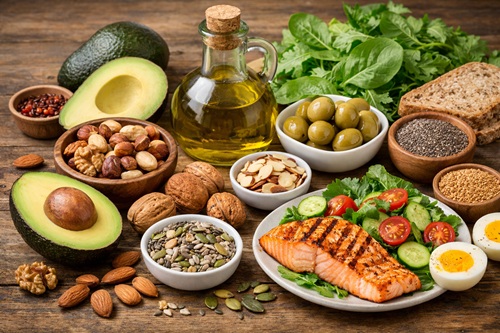
Healthy fats play an essential role in helping the body feel satisfied after eating. Unlike highly processed fats, naturally occurring fats found in whole foods can signal the brain that enough food has been consumed. These fats slow digestion and help maintain steady energy levels, which can reduce the likelihood of experiencing cravings shortly after a meal. Including healthy fats also enhances the flavor and texture of foods, making meals more enjoyable and satisfying overall.
Common sources of healthy fats include avocados, nuts, seeds, and oils such as olive oil. Adding these foods to meals in moderate amounts can help improve satiety without leading to overconsumption. For example, incorporating a handful of nuts as a snack or adding avocado to a meal can provide lasting fullness. When combined with protein and fiber, healthy fats contribute to a balanced approach that supports long-term control over cravings.
Foods That Stabilize Blood Sugar Levels

Blood sugar levels play a significant role in the development of cravings, particularly for sugary or highly processed foods. When blood sugar rises quickly after consuming refined carbohydrates, it is often followed by a rapid drop, which can trigger hunger and the urge to eat again. This cycle can lead to repeated cravings throughout the day, making it more difficult to maintain balanced eating habits. Foods that help stabilize blood sugar provide a more gradual release of energy, reducing the likelihood of sudden hunger spikes.
Balanced meals that include a combination of protein, healthy fats, and complex carbohydrates are effective in maintaining steady blood sugar levels. Whole grains, lean proteins, and non-starchy vegetables are examples of foods that support this balance. Choosing options such as brown rice instead of white rice or pairing carbohydrates with protein can help slow digestion and prevent rapid fluctuations. Over time, maintaining stable blood sugar levels can significantly reduce the frequency and intensity of cravings.