Decoding the labyrinth of ingredients listed on food labels can be a daunting task for many. A myriad of scientific terms, abbreviations, and coded language often camouflage the true nature of what’s being consumed. However, with an increase in health awareness, there’s a growing need for transparency in food contents. Understanding these terms becomes a cornerstone in making informed and healthy choices. This post aims to unveil eight specific phrases or words on the label that should serve as red flags for anyone aiming to maintain a healthy diet.
High Fructose Corn Syrup
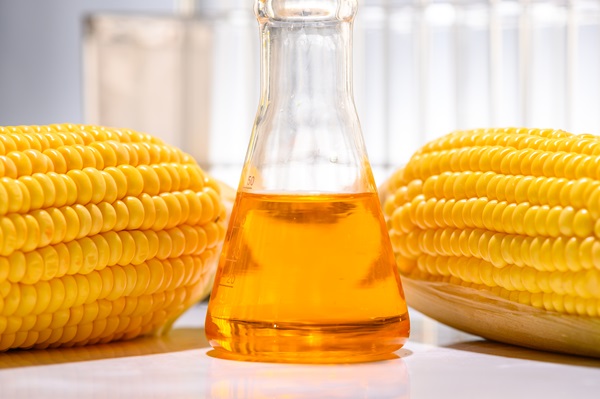
High fructose corn syrup (HFCS) is a sweetener made from corn starch. It is commonly found in a variety of food and beverage items, including sodas, candies, and processed snacks. HFCS has a similar taste to sucrose, the granulated sugar that many are accustomed to, but it’s often chosen by manufacturers due to its cost-effectiveness. While it enhances flavor, it adds little to no nutritional value to the foods that contain it.
Studies have shown a correlation between a high intake of HFCS and several health issues such as obesity, diabetes, and heart disease. Consuming foods rich in this sweetener can lead to an increase in body fat, insulin resistance, and elevated levels of triglycerides and cholesterol. Although it’s omnipresent in many pantry staples, avoiding or minimizing the intake of HFCS can lead to improved overall health.
Trans Fats

Trans fats are a form of unsaturated fat associated with a number of health issues. They’re often created industrially by adding hydrogen to liquid vegetable oils, resulting in a more solid and stable fat. This process, known as hydrogenation, increases the shelf life of oils and improves the texture of processed foods, making trans fats a popular choice among food manufacturers.
However, the consumption of trans fats is linked to an elevated risk of heart disease, stroke, and diabetes. They not only increase levels of bad cholesterol (LDL) but also decrease levels of good cholesterol (HDL), fostering an environment for cardiovascular ailments. While many countries have imposed regulations to limit the use of trans fats, being aware of their presence in various food items can be a vital step towards a healthier lifestyle.
Monosodium Glutamate (MSG)

Monosodium Glutamate (MSG) is a flavor enhancer that’s popular in many cuisines around the world. It’s particularly common in processed foods, snacks, seasonings, and restaurant meals, especially Asian cuisine. The compound is derived from glutamic acid, a type of amino acid, and it imparts a savory, umami flavor to foods.
The use of MSG has been controversial due to reports of adverse reactions, known as “Chinese Restaurant Syndrome”. Symptoms like headaches, flushing, and sweating have been associated with the intake of MSG, although scientific studies haven’t provided conclusive evidence to validate these claims consistently. Despite this, many people choose to avoid foods containing MSG as a precautionary measure to potential adverse health effects.
Artificial Flavors

Artificial flavors are chemical compounds created in labs to mimic natural flavors at a lower cost. They are ubiquitous in processed foods, including candies, beverages, and baked goods, offering a variety of tastes that appeal to consumers. These synthetic flavors can be derived from inedible sources, distinguishing them from natural flavors extracted from plants and animals.
The concern surrounding artificial flavors stems from the lack of transparency about their composition and the potential health impacts. Some individuals experience allergic reactions, while others are wary of ingesting chemically created flavors. Additionally, there’s an ongoing debate about the long-term health effects of consuming these artificial ingredients, making it prudent for health-conscious individuals to avoid them when possible.