
Aspartame

Aspartame is a low-calorie sweetener found in many sugar-free and diet food products. It’s approximately 200 times sweeter than sucrose, allowing manufacturers to use smaller quantities to achieve the desired sweetness. FDA-approved, aspartame is often found in diet sodas, sugar-free gum, and low-calorie desserts.
Despite its approval for use, aspartame has been surrounded by controversy due to potential health risks. Critics point to studies suggesting possible links to headaches, digestive issues, and even more severe health problems like cancer, though comprehensive research is still ongoing. Caution is advised for those seeking to limit artificial additives in their diet.
BHA/BHT (Butylated Hydroxyanisole/Butylated Hydroxytoluene)

BHA and BHT are synthetic antioxidants used to extend the shelf life of foods by preventing the oxidation of fats and oils. They are commonly found in cereals, chewing gum, potato chips, and vegetable oils. Both chemicals serve a similar purpose, though their chemical compositions differ slightly.
Health concerns associated with BHA and BHT include potential carcinogenicity and endocrine disruption. Various animal studies have suggested a link between these substances and cancer, though human data remains inconclusive. Still, due to the potential risks and the availability of natural alternatives, many prefer to steer clear of products containing BHA and BHT, opting instead for foods with ingredients like vitamin E (tocopherols) as preservatives.
Sodium Nitrate/Nitrite
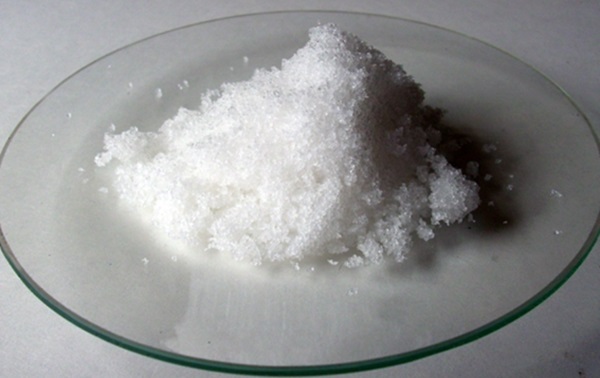
Sodium nitrate and nitrite are salts that are often added to processed meats like bacon, ham, and hot dogs as preservatives, color enhancers, and flavoring agents. They help to prevent the growth of harmful bacteria, including botulism, and give meat a red or pink hue and a distinct flavor. These additives have been integral in the meat processing industry for years.
However, health risks associated with sodium nitrate and nitrite have raised concerns. Studies suggest that consumption of these additives can lead to the formation of nitrosamines, chemic
als that are potentially carcinogenic. As a result, excessive intake of processed meats containing these compounds has been linked to an increased risk of certain cancers, urging caution in consumption.Partially Hydrogenated Oils

Partially hydrogenated oils are created when hydrogen is added to liquid vegetable oil, turning it into a solid form. This process enhances the texture and shelf life of foods. They’re found in a variety of products including baked goods, snacks, and margarine. These oils have been popular in the food industry for their stability and cost-effectiveness.
Nevertheless, the consumption of partially hydrogenated oils is highly discouraged due to their trans fat content. These artificial trans fats have been linked to an increased risk of heart disease, stroke, and diabetes, mirroring the health concerns of naturally occurring trans fats. As awareness grows, more manufacturers are eliminating these oils from their products, and some countries have even banned their use altogether.
The Bottom Line
Navigating the world of processed foods can be complex, especially with the myriad of ingredients listed those words the on label. Understanding these ingredients, especially those linked to potential health risks, is essential for making informed dietary choices. The eight words and phrases highlighted in this article are commonly found on labels and have been associated with various health concerns. By being mindful of these ingredients and opting for natural, unprocessed foods whenever possible, individuals can take a significant step towards a healthier lifestyle, reducing the risk of chronic diseases and promoting overall well-being.