
Acceleration Of The Aging Process

Chronic inflammation can also have an effect on the body’s natural aging process. Over time, the damage caused by inflammation can accumulate, leading to a phenomenon known as “inflammaging”. This refers to a situation where chronic inflammation speeds up the process of aging, contributing to the development of various age-related diseases, such as Alzheimer’s disease and osteoporosis.
Inflammaging is not just about looking older; it’s about the body’s systems aging prematurely, which can lead to a range of health issues and a diminished quality of life. While we can’t stop the clock on aging, managing chronic inflammation can help to slow down this process, potentially reducing the risk of age-related diseases and improving overall health in your later years.
Effective Ways to Reduce Chronic Inflammation

Addressing chronic inflammation requires a multifaceted approach, focusing on lifestyle modifications and, in some cases, medical intervention. An anti-inflammatory lifestyle doesn’t just help manage inflammation—it can also improve your energy levels, mood, and general health. It’s important to keep in mind that while these strategies can be highly effective, they should be tailored to individual needs and circumstances.
Anti-Inflammatory Diet
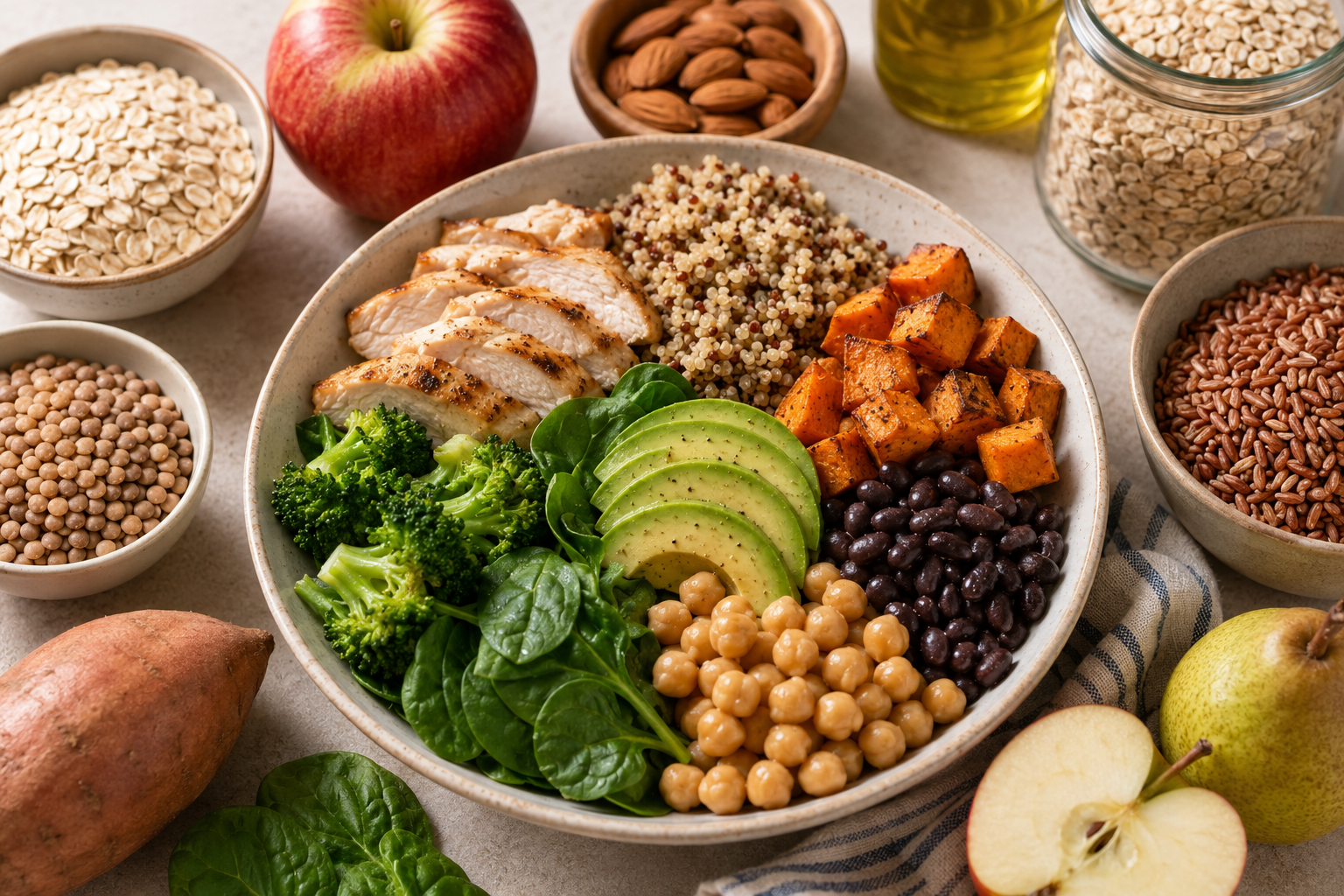
Diet plays a pivotal role in managing inflammation. Consuming a diet rich in anti-inflammatory foods can help reduce chronic inflammation. These include fruits and vegetables, whole grains, lean proteins, healthy fats, and spices like turmeric and ginger. Each of these foods contains nutrients and antioxidants that help combat inflammation.
At the same time, it’s equally important to limit the intake of pro-inflammatory foods such as processed foods, red meat, and foods high in added sugars and unhealthy fats. These can trigger inflammatory responses and should be minimized in a diet aimed at reducing chronic inflammation.
Regular Exercise
Regular physical activity is another powerful tool in the fight against chronic inflammation. Exercise promotes the production of anti-inflammatory substances in the body and aids in weight management, which is important as obesity can contribute to inflammation.
The type of exercise is less critical than consistency. Both aerobic exercises, like walking or swimming, and strength training can have anti-inflammatory effects. Aim for at least 30 minutes of moderate exercise most days of the week, but remember to consult a healthcare professional before starting a new exercise regimen.
Stress Management And Sleep
Chronic stress and poor sleep both contribute to chronic inflammation. When you’re stressed, your bodies produce hormones that lead to inflammation. Similarly, lack of quality sleep can disrupt the body’s ability to regulate inflammation effectively.
Implementing stress management strategies such as mindfulness, meditation, and yoga can help reduce inflammation. Similarly, improving sleep hygiene, which includes maintaining a consistent sleep schedule, creating a restful environment, and avoiding caffeine and screens before bed, can significantly impact inflammation management.
Medical Interventions And Supplements
For some individuals, lifestyle modifications may not be enough to manage chronic inflammation, and medical intervention may be necessary. This can include medication prescribed by a doctor, such as nonsteroidal anti-inflammatory drugs (NSAIDs), or supplements like omega-3 fatty acids and turmeric.
It’s important to remember that while these interventions can help manage chronic inflammation, they should be used under the guidance of a healthcare professional. Always consult with a healthcare provider before starting any new medication or supplement regimen.
Reduce Chronic Inflammation Today!
Chronic inflammation can significantly impact your health, contributing to the development of various diseases. Understanding chronic inflammation, its causes, symptoms, and effects, is the first step towards managing it. By adopting an anti-inflammatory lifestyle and, when necessary, seeking medical intervention, you can take control of your health and reduce the risks associated with chronic inflammation. Remember, every small change counts towards improving your overall health and longevity.