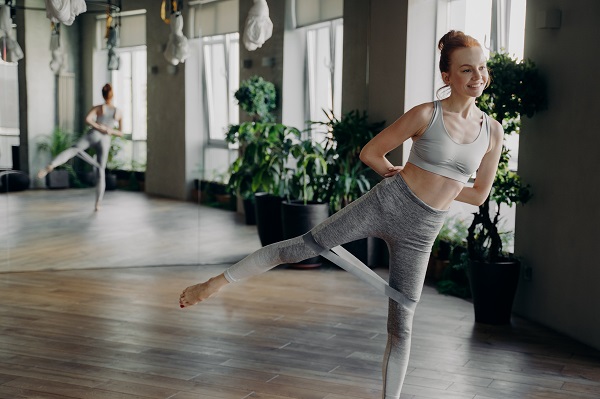

Shin Splints

Shin Splints, also known medically as medial tibial stress syndrome, are likely among the most common fitness injuries. It is caused by repetitive high-stress activities such as running and jumping, targeting the long muscles of the lower leg. Runners especially are prone to shin splints, as the jarring motion associated with running puts a lot of stress on the area.
During contact sports and running, this can lead to tiny microfractures in muscles and inflammation of the surrounding tissue, causing pain and discomfort in the muscles or ligaments around the shinbone. It usually worsens if left unchecked, so common treatments include rest or walking on softer surfaces.
Stress Fractures
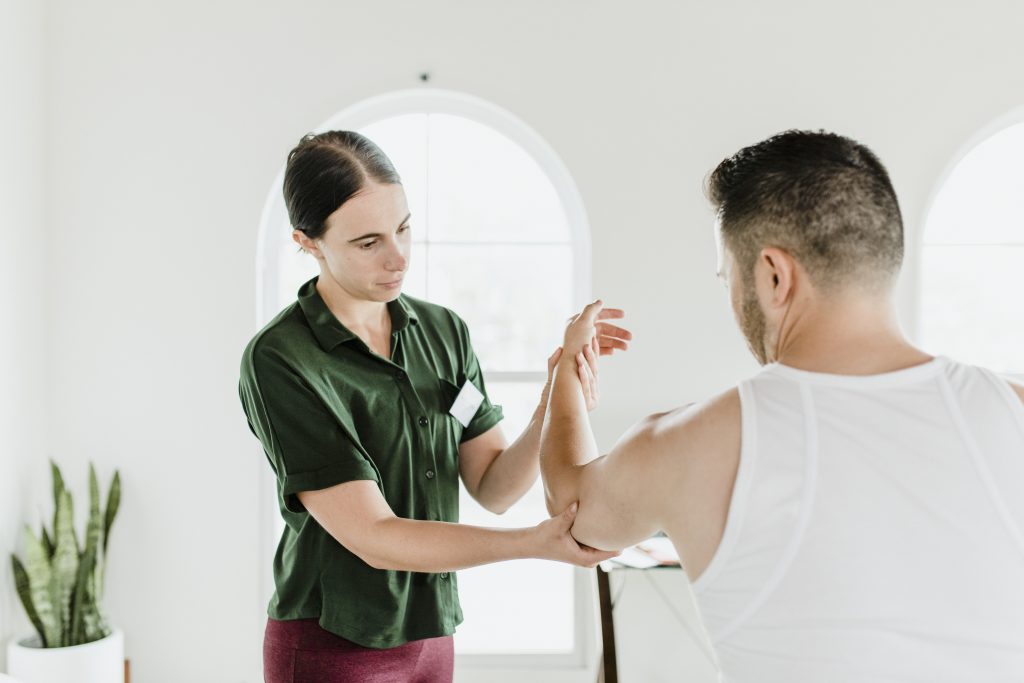
Stress fractures are one of the most common fitness injuries that can affect athletes and active individuals. Usually caused by the repetitive stress placed on bones during exercise, stress fractures typically occur in the smaller bones of the feet and ankles but can also occur in the hip, hand, and ribs.
Symptoms usually include localized pain, swelling, tenderness, and reduced mobility at the site of injury. Although potentially quite painful, these kinds of fractures often heal without serious complications through rest and proper rehabilitation exercises that a doctor or physical therapist may prescribe once the fracture has healed.
Rotator Cuff Injuries

Rotator cuff injuries are a common source of pain and mobility issues among those who work with their arms regularly or engage in sports. These injuries occur when the tendons attached to the group of four muscles surrounding the shoulder joint become damaged or strained, leading to stiffness and pain.
Often, people experience a rotator cuff injury as a sharp pain when they move their arm, causing a limited range of motion or difficulty carrying items. Left untreated, such an injury can lead to chronic shoulder problems. If you are experiencing these symptoms, getting checked out by a medical professional to properly diagnose and treat your condition is best.
Preventing Fitness Injuries