Contents
Hydrating Foods That Reduce False Hunger

Dehydration can sometimes be mistaken for hunger, leading to unnecessary snacking when the body is actually in need of fluids. The signals for thirst and hunger can overlap, making it difficult to distinguish between the two. As a result, individuals may reach for food when hydration is the more appropriate response. Including hydrating foods in the diet can help address this issue and support overall appetite control.
Foods with high water content, such as fruits and vegetables, contribute to both hydration and fullness. Options like cucumbers, watermelon, oranges, and soups provide fluids while also delivering essential nutrients. These foods tend to be lower in calories while still helping to fill the stomach, which can reduce the urge to snack between meals. Regularly consuming hydrating foods, along with adequate water intake, can help minimize false hunger signals and improve overall eating patterns.
Natural Sweet Foods That Curb Sugar Cravings

Sugar cravings are often driven by a desire for quick energy, but consuming refined sugars can lead to rapid spikes and crashes in blood sugar levels. This pattern can create a cycle where the body continues to seek out more sugar to restore energy. Natural sweet foods offer an alternative by providing sweetness along with fiber, vitamins, and minerals. These nutrients help slow the absorption of sugar into the bloodstream, reducing the likelihood of sharp fluctuations.
Fruits such as berries, apples, and bananas are commonly used to satisfy sweet cravings in a more balanced way. Pairing fruit with a source of protein or healthy fat, such as nuts or yogurt, can further enhance feelings of fullness and stability. This combination helps extend the release of energy and reduces the urge to reach for processed sweets. Over time, replacing refined sugar with naturally sweet foods can help retrain taste preferences and improve overall control of cravings.
Foods That Support Gut Health and Reduce Cravings
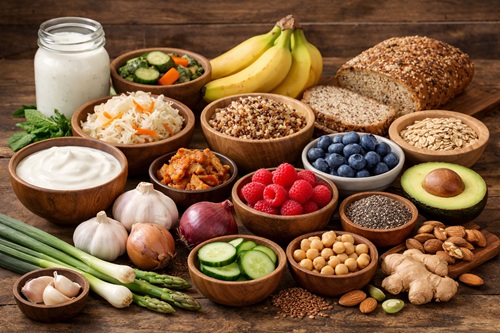
The health of the digestive system plays an important role in regulating appetite and cravings. The gut is home to trillions of bacteria that influence how food is processed, how nutrients are absorbed, and even how hunger signals are communicated to the brain. Research has shown that imbalances in gut bacteria may be linked to increased cravings, particularly for sugar and highly processed foods. Supporting a healthy gut environment can help improve these signals, leading to more balanced eating patterns over time.
Foods that promote gut health typically include those rich in probiotics and prebiotics. Probiotic foods such as yogurt, kefir, and fermented vegetables introduce beneficial bacteria into the digestive system, while prebiotic foods like garlic, onions, bananas, and whole grains help feed those bacteria. Regularly including these foods in the diet can support a more balanced gut microbiome. As gut health improves, it may become easier to manage cravings and make more consistent, nutrient-focused food choices.
Building Better Habits to Manage Cravings
Managing cravings is not about eliminating them entirely, but about understanding how the body responds to different foods and making choices that support balance. Incorporating protein, fiber, healthy fats, and hydrating foods into daily meals can help regulate appetite and reduce sudden urges to snack. Stabilizing blood sugar and supporting gut health also play important roles in long-term craving control. By focusing on nutrient-dense options and consistent eating patterns, it becomes easier to maintain steady energy levels throughout the day. Over time, these habits can lead to improved overall health and a more mindful approach to eating.