

Making A Game Plan: The Transition Process

Transitioning to a fresh food pantry doesn’t happen overnight. It’s a gradual process that requires a well-thought-out game plan. Begin by slowly phasing out processed foods. As you run out of a processed item, try to replace it with a healthier, fresher alternative. For instance, swap out white bread for whole grain, or trade sugary cereal for oatmeal topped with fresh fruit.

It’s normal to face challenges during the transition from processed to fresh foods. Common obstacles include a perceived lack of time to prepare fresh meals, difficulty in finding fresh produce, or resistance from family members accustomed to processed foods. However, these challenges can be overcome with a bit of creativity and perseverance.
For example, meal prepping can save a lot of time during the week, and farmers’ markets or community-supported agriculture programs can be good sources of fresh produce. Additionally, introducing fresh foods gradually and involving family members in meal preparation can help overcome resistance to change. Remember, consistency is key, and every step taken towards a fresh food pantry is a step toward better health.
The Bottom Line
The transformation from a processed to a fresh food pantry is an empowering journey towards improved health and well-being. It does require commitment and consistency, but the rewards are immeasurable. You’ll not only be investing in your health but also in the health of our planet. Start your pantry transformation today and discover the joy of fresh, wholesome, and vibrant foods.
Related Posts
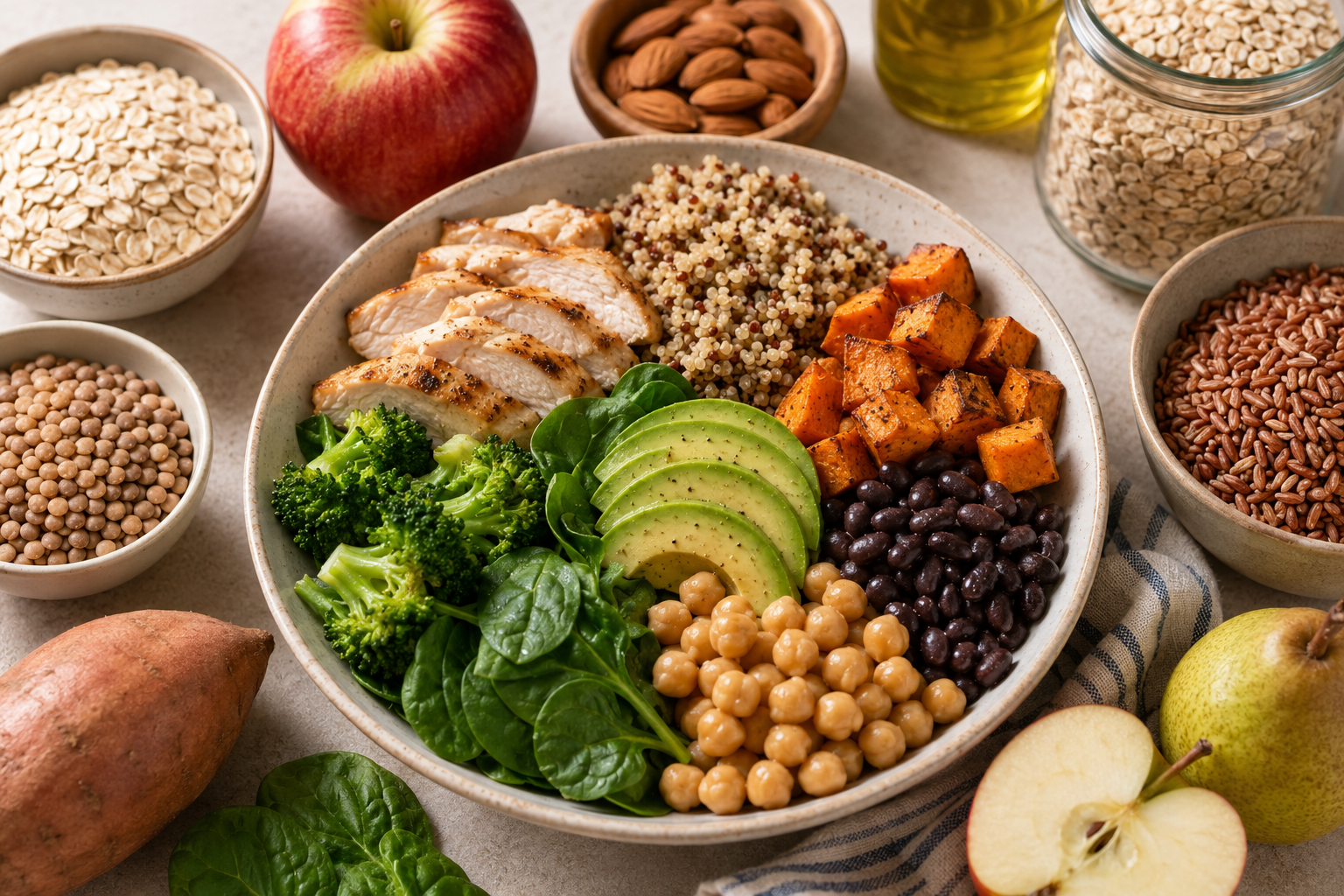
How to Lose Belly Fat Without Giving Up Carbs
Health & Wellness Guide How to Lose Belly Fat Without Giving Up Carbs The science behind carbohydrate quality, soluble fiber, and what research actually says…

The Biggest Mistakes That Slow Down Your Metabolism

Health & Wellness The Biggest Mistakes That Slow Down Your Metabolism Common habits and oversights that research links to reduced metabolic efficiency — and what…

Habits That Are Slowly Damaging Your Organs
Health & Wellness Habits That Are Slowly Damaging Your Organs Eight everyday behaviors quietly wearing down the body — and what you can do about…