
Reasons Your Weight Fluctuates So Much From Day to Day
Understanding the science behind daily weight changes and why the scale doesn’t tell the whole story
Stepping on the scale each morning can feel like a game of chance, with numbers that seem to defy logic and leave many people feeling frustrated or confused. The reality is that daily weight fluctuation is a completely normal biological phenomenon that nearly everyone experiences, and understanding why your weight fluctuates so much from day to day can help remove unnecessary anxiety from your health journey. These variations, which can range anywhere from one to several pounds within a twenty-four hour period, rarely reflect actual changes in body fat and instead represent shifts in water, food volume, and other temporary factors that have little bearing on your long-term health or fitness progress.
Water Retention and Hydration Levels
 Water is the single largest contributor to short-term weight fluctuations, and your body’s fluid balance can shift dramatically based on numerous factors throughout any given day. The human body is composed of roughly sixty percent water, and even modest changes in hydration status can register as noticeable differences on the scale. When you drink a large glass of water, that liquid has weight, and until your body processes and eliminates it, you will temporarily weigh more.
Beyond simple fluid intake, your body actively regulates water retention in response to various stimuli. Hormonal fluctuations, particularly in women during the menstrual cycle, can cause significant fluid shifts that result in weight changes of several pounds. Heat and humidity can trigger your body to retain water as a protective mechanism, while cooler temperatures or increased physical activity might lead to greater fluid loss through sweating and respiration.
A single liter of water weighs approximately one kilogram, or about 2.2 pounds. This means drinking several glasses of water can temporarily increase your scale weight by multiple pounds without any change to your actual body composition.
How Sodium Intake Affects the Scale

Sodium plays a crucial role in your body’s fluid balance, and consuming higher amounts of salt can lead to noticeable water retention that shows up as increased weight on the scale. When you eat a meal that is particularly high in sodium, such as restaurant food, processed snacks, or preserved meats, your body responds by holding onto additional water to maintain proper electrolyte concentrations in your blood and tissues. This response is entirely normal and represents your body working exactly as it should.
The effect of sodium on water retention can be substantial, with some individuals experiencing weight increases of
several pounds after a single high-sodium meal. This is particularly noticeable if your typical diet is relatively low in salt, as your body may respond more dramatically to sudden increases. The good news is that this water weight is temporary and will naturally resolve as your body processes and eliminates the excess sodium over the following day or two.Carbohydrate Storage and Glycogen Weight
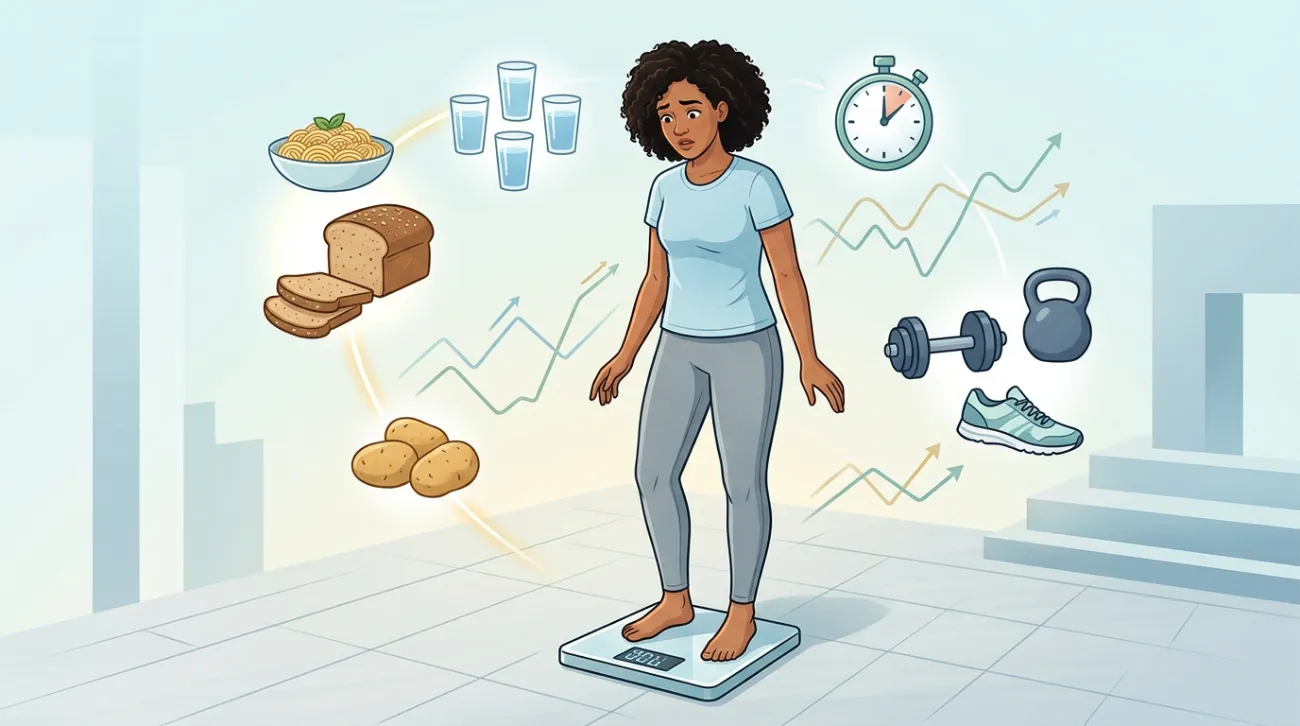
Carbohydrates provide a unique contribution to daily weight fluctuations due to how your body stores them for energy. When you consume carbohydrates, your body converts them into glucose and stores excess glucose as glycogen in your muscles and liver. The key factor here is that glycogen is stored alongside water, with each gram of glycogen binding to approximately three grams of water. This means that changes in your carbohydrate intake can produce outsized effects on your scale weight.
This relationship between carbohydrates and water weight explains why people following low-carbohydrate diets often experience rapid initial weight loss. Much of this early reduction represents depleted glycogen stores and their associated water rather than actual fat loss. Conversely, reintroducing carbohydrates after a period of restriction can cause a seemingly dramatic weight gain that is primarily water being stored alongside replenished glycogen.
Fluctuates based on hydration, sodium, and hormones
Carbs stored with water in muscles and liver
Physical weight of undigested food in your system
Bowel regularity affects morning weight readings
The Impact of Food Volume and Digestion

One of the most straightforward yet often overlooked causes of daily weight changes is simply the physical weight of food and beverages moving through your digestive system. When you eat a meal, that food has mass, and until it is fully digested, absorbed, and eliminated, it contributes to your total body weight. A large dinner the night before will show up on the morning scale even though none of those calories have been converted to stored body fat.
Digestive transit time varies significantly between individuals and can be influenced by the types of foods consumed, fiber intake, hydration levels, and overall gut health. Foods that take longer to digest or that increase stool bulk, such as high-fiber vegetables and whole grains, may contribute more to temporary weight increases than rapidly digested foods. Understanding this can help explain why your weight might be higher after a fiber-rich meal even though such foods are generally associated with healthy weight management.
Exercise and Muscle Inflammation

Physical activity produces complex effects on body weight that can seem counterintuitive to those hoping to see immediate results on the scale. While exercise burns calories and contributes to long-term fat loss, it can also cause short-term weight increases due to muscle inflammation and water retention as part of the recovery process. When you challenge your muscles through resistance training or intense cardiovascular exercise, small amounts of damage occur that trigger an inflammatory healing response.
This inflammatory response involves increased blood flow and fluid accumulation in the affected tissues, which can temporarily increase your weight. Additionally, your body may retain more water during recovery periods as it works to repair and strengthen muscle tissue. This explains why some people notice the scale going up after starting a new exercise program, even though they are making genuine progress toward better fitness and body composition.
Post-exercise weight gain from inflammation and water retention is a sign that your body is adapting and recovering. This temporary increase typically resolves within a few days and should not be interpreted as a setback in your fitness journey.