

Additional Swim Strokes You Should Be Aware Of
While the breaststroke and backstroke truly are the easiest strokes for beginners, there are a few other strokes you should be aware of. These include the butterfly and the freestyle. Although these strokes may be more challenging to learn, they are still within reach for most beginners:
Butterfly Stroke

The butterfly stroke is a beautiful swimming technique that is often used in competitions. However, it can be difficult to master, and there are a few things that swimmers should be aware of before they attempt it. First, the butterfly stroke requires a strong kick from the legs to generate enough power to move the arms through the water. Second, the arms should move synchronously, tracing an elliptical path through the water.
Third, the body should be held in a streamlined position to reduce drag and increase speed. Finally, breathing regularly while swimming the butterfly stroke is important, as this will help keep the rhythm of the arms and legs consistent. By following these tips, swimmers can greatly improve their chances of successfully executing the butterfly stroke.
Freestyle Stroke
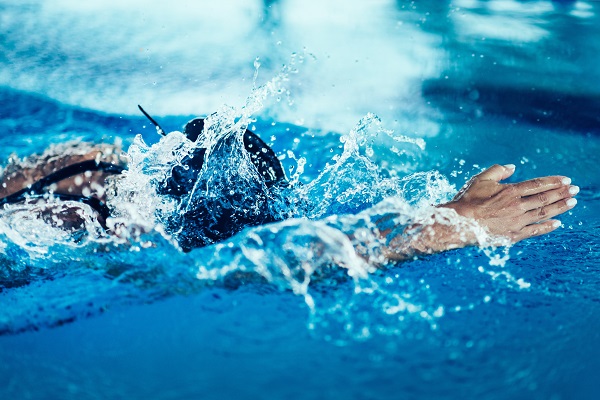
When swimming freestyle, it is important to be aware of the different aspects of the stroke to swim efficiently and prevent injuries. The freestyle stroke is a continuous movement that consists of three phases: the catch, the pull, and the recovery. In the catch phase, the hand enters and grabs hold of the water. The arm then begins to pull the body forward. During the pull phase, the arm pulls through the water while keeping the elbow close to the body.
The recovery phase is when the arm is extended fully and brought back to the side. This completes one stroke cycle. By being aware of these different phases, swimmers can ensure that they use proper technique and swim efficiently. Additionally, this knowledge can help to prevent injuries by avoiding repetitive motion and strain on muscles and joints.
Tips For Staying Safe While Swimming As An Exercise
Swimming is often touted as one of the best forms of exercise, and for a good reason. However, some inherent risks are associated with swimming, so it’s important to take precautions. Here are some tips for staying safe while swimming:
• Only swim in designated areas. This will help ensure that the water is clean and debris-free.
• Don’t swim alone. Whether at the beach or in a pool, it’s always best to have someone else nearby in case of an emergency.
• Be aware of your surroundings. If you’re swimming in open water, be on the lookout for potential dangers such as currents or undertows.
• Don’t overestimate your abilities. If you’re not a strong swimmer, stick to shallow water where you can touch the bottom.
Following these safety tips will help you to enjoy swimming as an exercise without putting yourself at risk.
Follow This Guide To Swimming As An Exercise!
Swimming is a great way to get exercise, whether a beginner or a seasoned swimmer. However, it’s important to be aware of the different strokes and techniques involved in swimming and the safety precautions that should be taken. Following these tips ensures a safe and enjoyable experience every time you hit the water. If you have any specific questions about getting started, ask your local swim instructor for more information. They will be more than happy to help!