
How To Calculate Your Protein Requirements

Having fat and muscle balance is vital for staying healthy. Especially in old age, you will need sufficient nutrients to fight off illnesses.
Protein in foods
Ideally, it would be best if you depended on foods for your protein intake. Do not take protein shakes or powder unless you’re required to because of professional or medical circumstances. Going for plant-based protein foods can give you more fiber, so go for them more often. Legumes, beans, lentils, tofu, and other soy foods are excellent options. They also have low saturated fat, which is good for your heart. Nuts and seeds are delicious and healthy. You can have them with your yogurt, cereal, or salad.
Fish are an excellent food choice because they come with a lot of protein and omega-3 fats. More consumption of fish can decrease your risk of heart diseases. Try getting more salmon, sardines, herring, and mackerel. It’s also suitable for your weight.
Lean beef, lean chicken, lean pork, cheese, eggs, and low-fat yogurt are other high protein foods. If you’re working on losing weight, adding more smart carbs like fruits, vegetables, whole grains, low-fat milk, and beans can be great. Avocados, olives, seeds, virgin olive oil, and canola oil are other foods that will help you manage your appetite while reducing your calorie intake.
A high protein diet helps you in taming hunger pangs, which results in weight loss. So adding extra proteins to your meals is always a good idea. Increase the protein gradually. A weekly basis is good. Decide smartly while adding foods to your diet. Calories still count, so choose foods low in saturated fat and calories.

Related Posts
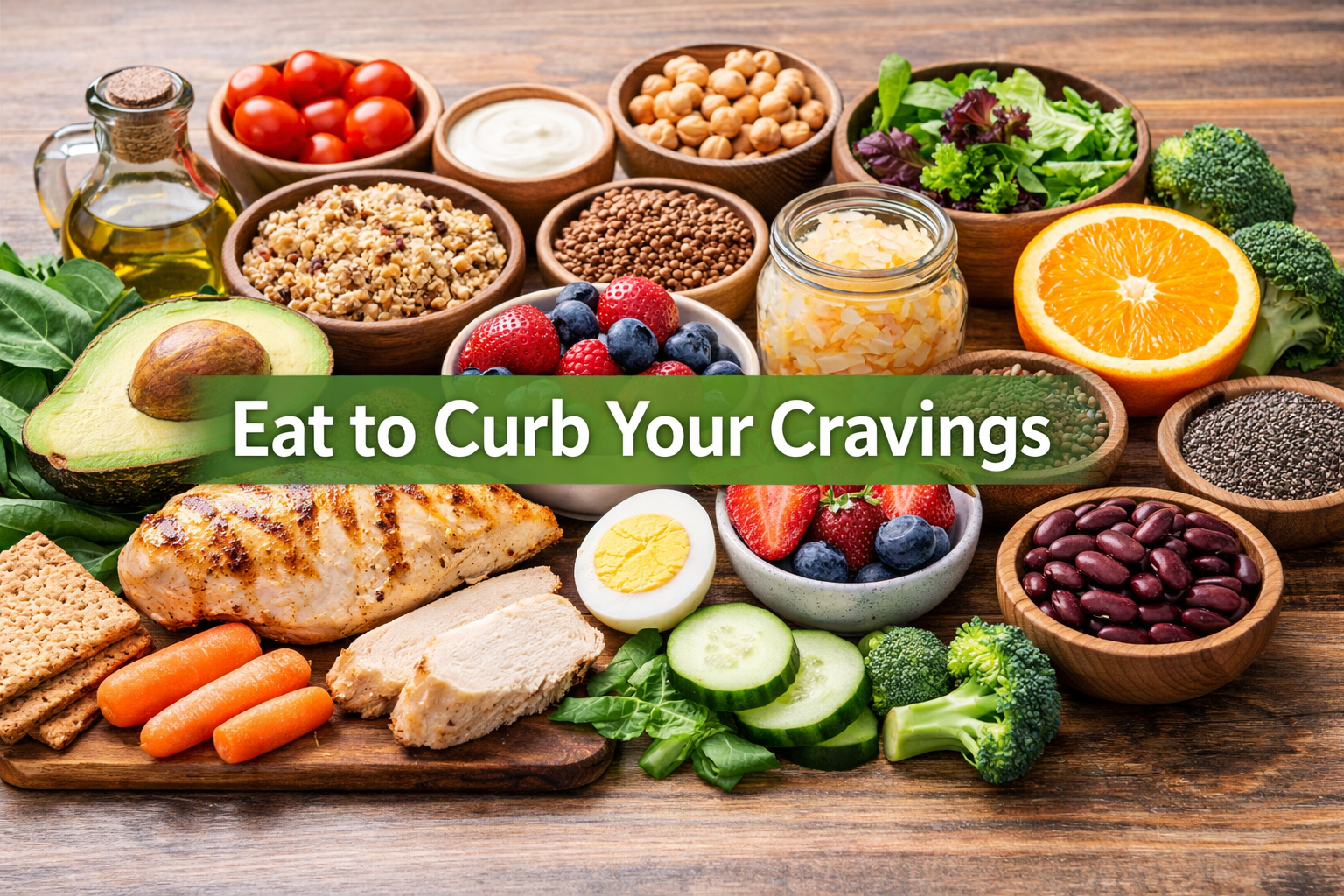
Foods That Help Reduce Cravings

Hydrating Foods That Reduce False Hunger Dehydration can sometimes be mistaken for hunger, leading to unnecessary snacking when the body is actually in need of…
The Worst Foods For Your Liver
The liver plays a vital role in keeping the body functioning properly by processing nutrients, filtering toxins, and supporting digestion. Every day it works to…

7 “Healthy” Foods That Are Ruining Your Weight Loss Goals
Flavored Yogurts Flavored yogurts are often marketed as a convenient, healthy snack, but they’re frequently loaded with added sugars. Some varieties contain as much sugar…