

Reaching a plateau in your fitness journey can often feel like hitting an invisible wall, halting progress despite your best efforts. This common phenomenon occurs when your body adapts to its routine, making it harder to achieve the same levels of improvement as before. Overcoming these plateaus is crucial for continued growth, motivation, and the achievement of your fitness goals. This post provides some practical strategies and insights to help you break through these barriers. By understanding the underlying causes and implementing targeted adjustments, you can reignite progress and elevate your fitness journey to new heights.
Unraveling the Mystery of Fitness Plateaus

Adjusting Your Workout Routine

Modifying your workout routine is crucial to breaking through a fitness plateau. One effective strategy is increasing the intensity of your workouts. This can be achieved by adding more weight, incorporating high-intensity interval training (HIIT), or reducing rest periods between sets. Such changes challenge your body in new ways, forcing it to adapt and improve.
Another approach is to vary the types of exercises you do. If your routine has become monotonous, try different activities that target the same muscle groups in new ways or focus on entirely different muscle groups. This not only prevents boredom but also ensures that all muscle groups are being effectively worked. By keeping your body guessing, you can reignite the progress that seemed to have stalled.
Revamping Your Nutrition Plan
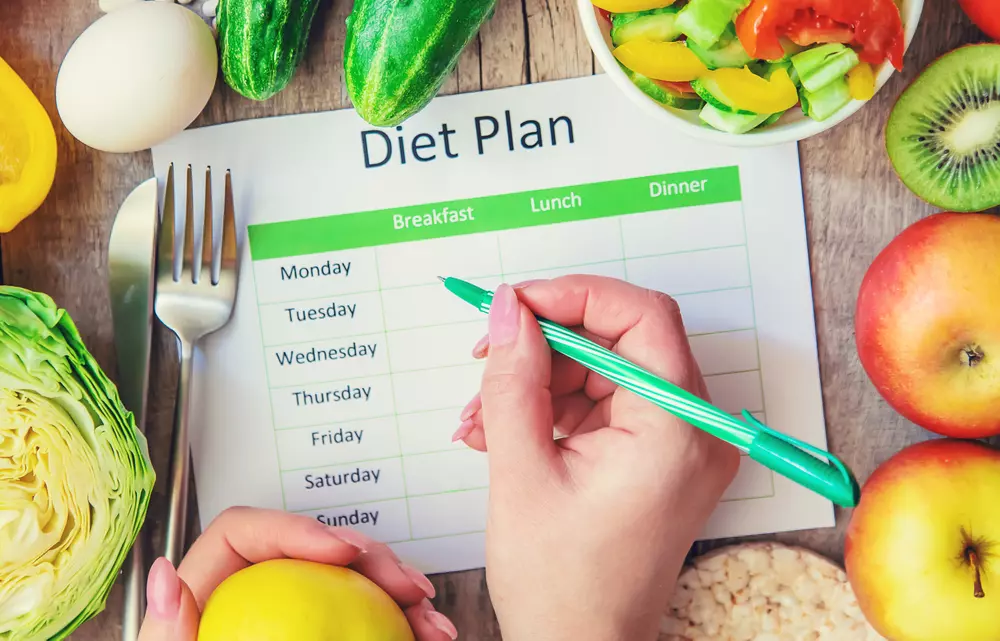
Nutrition plays a pivotal role in breaking through fitness plateaus. As you adjust your workout routine, your body’s nutritional needs also change. Ensuring that you’re consuming enough protein is crucial for muscle repair and growth, especially if you’ve increased the intensity of your workouts. Additionally, revisiting your calorie intake can be necessary as your metabolism adapts to higher levels of physical activity.
Tailoring your nutrition to your fitness goals is also key. For those looking to lose weight, creating a slight caloric deficit while maintaining a high protein intake can support fat loss while preserving muscle mass. Conversely, if your goal is to gain muscle, you may need to increase your overall calorie and protein intake. Adjusting your macronutrient ratios—proteins, fats, and carbohydrates—based on your current fitness goals and progress can provide the necessary fuel to overcome a plateau.
Related Posts

The #1 Exercise to Strengthen Your Knees After 50
Knee pain and joint stiffness often become more noticeable after 50, but that doesn’t mean they have to limit your mobility. Strengthening your knees can…

The #1 Reason You’re Gaining Belly Fat Despite Doing Cardio

Many people turn to cardio workouts in hopes of shedding stubborn belly fat, believing that running, cycling, or spending hours on the elliptical will lead…

The Only 3 Supplements You Actually Need to Get in Shape

The world of fitness supplements can feel overwhelming, with shelves packed full of products promising miraculous results. Many people spend hundreds of dollars on unnecessary…