

A strong core is the linchpin of a well-rounded fitness regimen, offering a foundation for enhanced physical performance and playing a critical role in preventing injuries. Pilates, a method designed with the core at its heart, provides a comprehensive approach to bolstering core strength through controlled movements catering to individuals at all fitness levels. By engaging in Pilates, practitioners can expect improved core strength, posture, flexibility, and overall physical well-being.
Understanding Core Strength

Warm-Up Moves for Core Activation
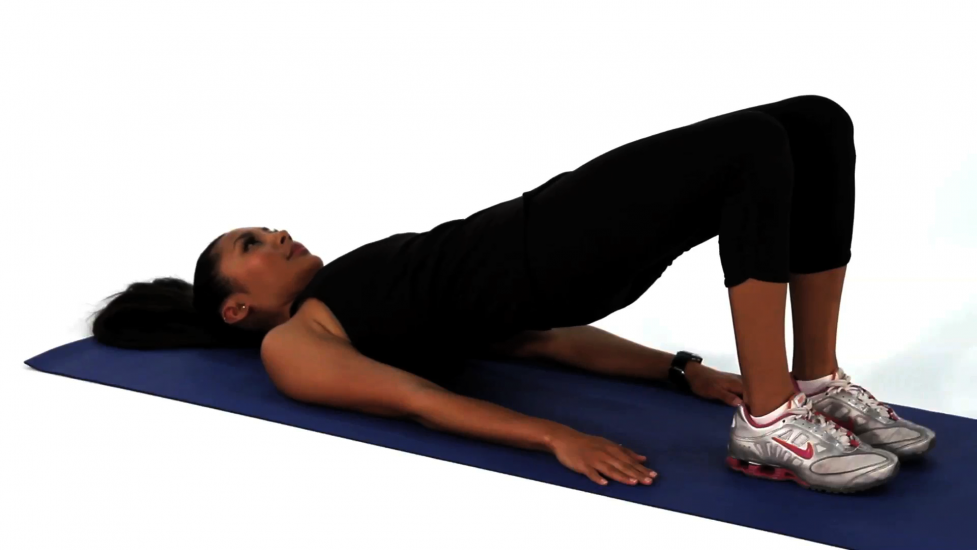
Before delving into the more intense core-strengthening exercises, preparing the body with a series of warm-up moves is essential. The Pelvic Curl and the Chest Lift serve as excellent preludes, gently activating the core muscles and preparing them for the workout. These exercises focus on controlled movements and breath, setting the tone for the Pilates session.
The Pelvic Curl warms up the core, spine, and hamstrings, promoting flexibility and mobility. The Chest Lift, on the other hand, targets the upper abdominal muscles, initiating the engagement of the core. Both exercises lay a solid foundation, ensuring that the body is adequately warmed up and ready to tackle more challenging Pilates moves with a reduced risk of injury.
Classic Pilates Moves for Core Strength
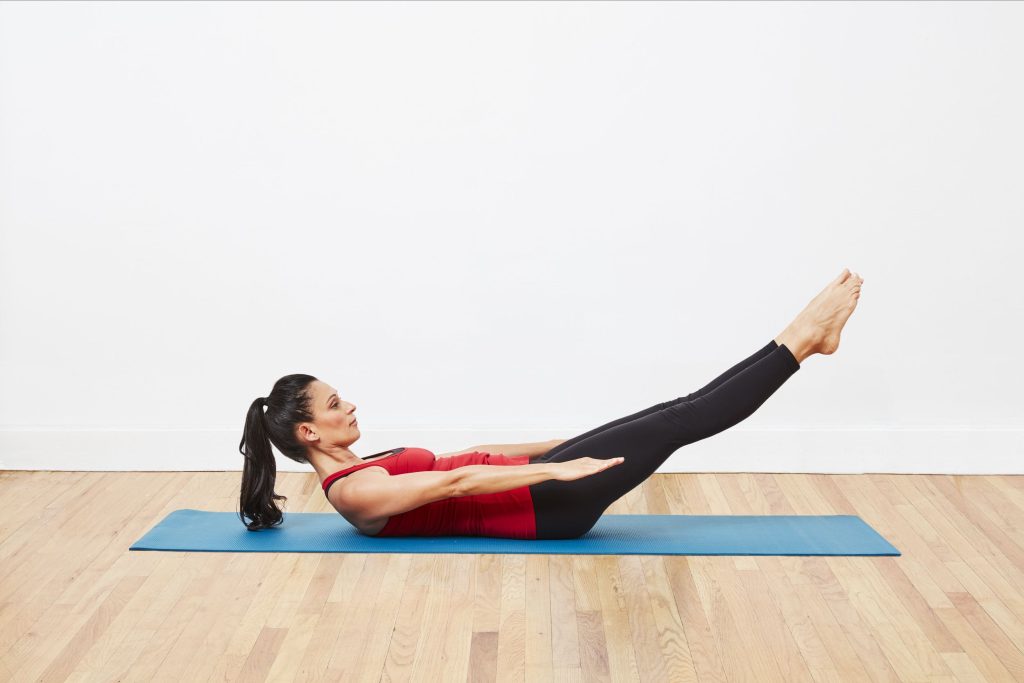
Among the repertoire of Pilates exercises, the Single Leg Stretch and The Hundred stand out for their core-strengthening benefits. The Single Leg Stretch focuses on the lower abdominals and hip flexors, challenging practitioners to maintain core stability while moving their legs. This exercise not only strengthens the core but also enhances coordination and endurance.
The Hundred, a quintessential Pilates exercise, involves a dynamic breathing rhythm while performing controlled arm movements and maintaining a curled position to engage the core intensely. This exercise is celebrated for increasing core strength and stamina, stimulating circulation, and enhancing focus and coordination. Through these classic moves, practitioners can build a solid foundation of core strength, setting the stage for more advanced exercises.