

There are a lot of different ways to go about structuring your daily fitness regimen. Some people prefer working out for an hour each day, while others find success with longer workouts every other day. There is no “right” way to do it, you just need to find what works best for you and stick with it! Here are some tips on how to structure your training regimen so that you can stay on track and see results!
Start With Stretching

One thing that people often overlook when they are planning out their workout regimen is stretching. Stretching beforehand will help avoid pulling or tearing a muscle, and it will also increase your range of motion which allows you to exercise better! There are many different stretches you can do before your workout, including neck rolls, arm circles, leg swings, squats with bended knees, touching your toes. Other great stretches include jumping jacks, jogging in place, hamstring stretch, shoulder blade squeezes for the upper back, and spiderman lunges.
Protein Before And After Workout
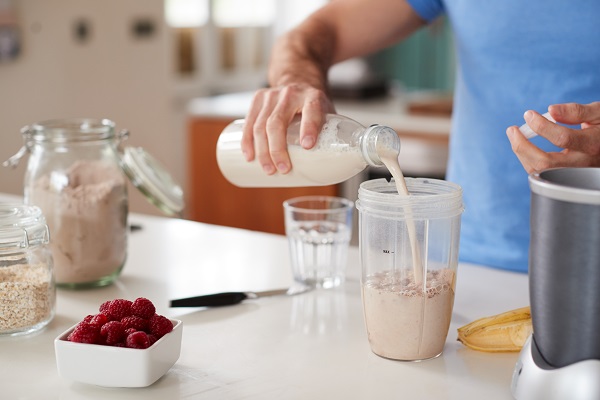
After you stretch, you will want to make sure and get some protein in your system before and after the workout. Eating protein will help your muscles repair and grow stronger, and it can also reduce muscle soreness after strenuous or new activity. There are many different foods that have good pre-workout protein sources, such as eggs, milk, yogurt, turkey, or chicken. You can also find many quality protein sources in beef, tuna, and beans. You should try for at least 10 grams of protein before your workout and at least 20 grams of protein after your workout.
Set Workout Days For Each Muscle

One of the biggest mistakes people make when structuring their workout regimen is not working out each muscle enough. Muscles need 1 to 2 days, sometimes 3, to recover before working them again. This means that you should be exercising each muscle group once or twice a week! For example, if you want to exercise your legs and butt on Monday, don’t do any exercises for those muscles on Tuesday. Likewise, if you did sit-ups and leg lifts for your abs, don’t do squats and lunges until Thursday or Friday. Doing this will help prevent overtraining, which can lead to poor performance in future workouts!
Set Goals For Yourself

Setting goals for yourself is vital to keeping you motivated! When you set goals, try starting off with an end goal and then work backwards. For example, if your goal is to lose 30 pounds, determine how many weeks it will take at the current pace. Then, put smaller goals in place during that time. Such as, if it is going to take you 6 months at your current rate, set a goal of losing 5 pounds every 1-2 weeks. This will help prevent discouragement from not seeing results fast enough! Remember that results DO come with hard work!