

Reduce Inflammation
 d risk of osteoporosis. When you restrict your carbohydrate intake, your body may struggle to maintain calcium levels in your bones, leading to a loss of bone density. Without adequate calcium, your bones become weaker and more susceptible to fractures.
It’s important to remember that while low-carb diets may have short-term benefits, they can have long-term consequences on your overall health. It’s crucial to speak with a healthcare professional before starting any new diet and to prioritize a balanced nutrition approach for the sake of your bone health and overall well-being.
Increase The Risk of Heart Disease And Diabetes

While low-carb diets can positively impact blood sugar levels, it’s important to note that they can also increase the risk of diabetes and heart disease in some people. This is because when you restrict carbohydrate intake, your body needs to turn to other fuel sources, such as saturated fats. And while not all saturated fats are bad for you, too much can raise your LDL cholesterol levels and increase the risk of heart disease.
Furthermore, a low-carb diet can cause blood sugar levels to fluctuate more than normal due to the lack of carbohydrates in your system. This can lead to an increased risk of diabetes over time. So while low-carb diets may have some short-term benefits, it’s essential to consider the potential long-term health implications.
Know The Truth About Low-Carb Diets!
Low-carb diets have become increasingly popular in recent years, with many touting their ability to help people lose weight and improve overall health. While there is some evidence that low-carb diets can provide certain benefits, it’s important to remember that they can also come with potential drawbacks. It’s crucial to speak with a healthcare professional before starting any new diet and consider the potential long-term health implications. By taking the time to consider your lifestyle and diet, you can make an informed decision about what works best for you.
Related Posts

Foods That Help Reduce Cravings

Hydrating Foods That Reduce False Hunger Dehydration can sometimes be mistaken for hunger, leading to unnecessary snacking when the body is actually in need of…
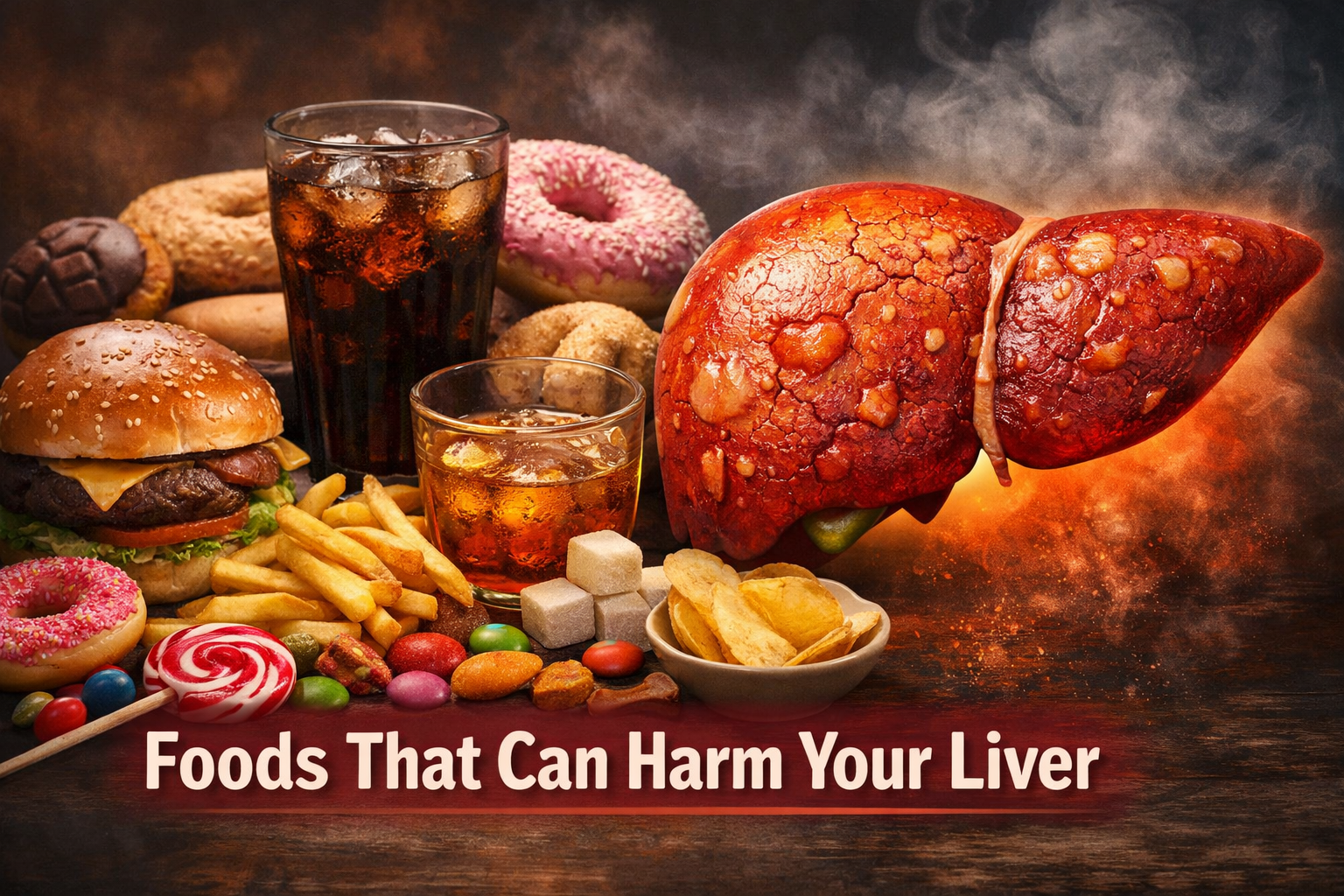
The Worst Foods For Your Liver
The liver plays a vital role in keeping the body functioning properly by processing nutrients, filtering toxins, and supporting digestion. Every day it works to…

7 “Healthy” Foods That Are Ruining Your Weight Loss Goals
Flavored Yogurts Flavored yogurts are often marketed as a convenient, healthy snack, but they’re frequently loaded with added sugars. Some varieties contain as much sugar…