
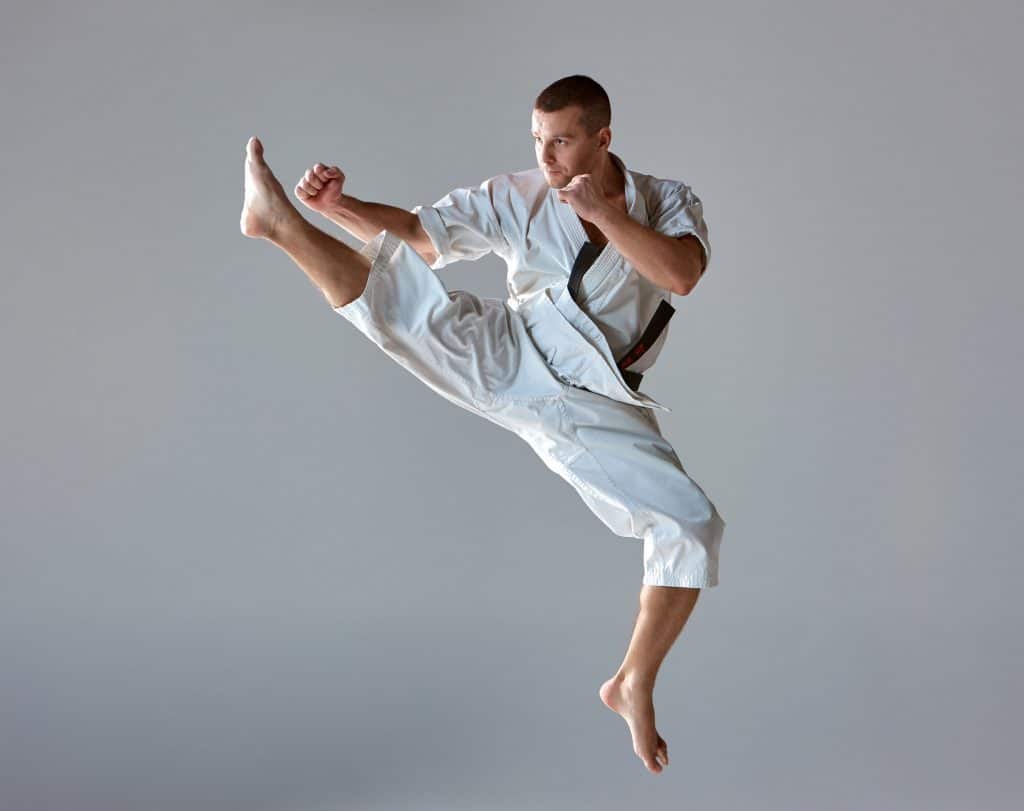
Martial arts, traditionally revered for self-defense, have evolved into dynamic pathways for enhancing fitness and overall well-being. This exploration delves into the multifaceted world of martial arts, transcending their combative roots to spotlight their role in physical health, mental resilience, and community building. From the powerful kicks of Taekwondo to the graceful movements of Tai Chi, each style offers unique fitness benefits. This post aims to unveil how incorporating martial arts for fitness can lead to a healthier, more balanced lifestyle, regardless of age or fitness level.
The Physical Fitness Spectrum in Martial Arts
Martial Arts for All Ages

Martial arts are uniquely inclusive, offering benefits to practitioners across all age groups. For children, martial arts provide a fun and engaging way to develop discipline, respect, and physical fitness from an early age. The structured environment of martial arts classes helps in instilling good habits and a sense of responsibility. For adults, these disciplines offer an escape from the routine of daily life, a space to relieve stress, and a challenging way to stay fit. Additionally, martial arts can be an excellent way for adults to learn a new skill, providing a sense of achievement and continuous learning.
Seniors, too, can significantly benefit from martial arts. Styles like Tai Chi are particularly popular among older adults due to their low-impact nature and focus on balance and flexibility. These practices can help in maintaining mobility, reducing the risk of falls, and even managing chronic conditions like arthritis. The adaptability of martial arts ensures that they can be modified to suit individual needs and limitations, making them a safe and effective form of exercise for seniors. Moreover, the social aspect of attending classes can be a great way for older adults to stay connected and engaged with a community.
Community and Social Aspects

One of the most enriching aspects of martial arts is the sense of community and belonging it fosters. Joining a martial arts class introduces individuals to a diverse group of people, all united by a common interest. This environment is conducive to forming strong bonds and friendships as practitioners train, learn, and grow together. The mutual respect and camaraderie developed in the dojo often extend outside the training space, creating a supportive network. Furthermore, many martial arts schools and clubs organize events and competitions, offering additional opportunities for social interaction and community building.
The inclusive nature of martial arts also promotes a sense of belonging and acceptance. Regardless of age, gender, or background, everyone is welcomed and judged solely on their dedication and effort. This egalitarian approach encourages a diverse range of individuals to participate, enriching the learning experience for everyone. Additionally, the mentorship from experienced instructors and the encouragement from fellow classmates create a nurturing environment, especially beneficial for those who might feel isolated or disconnected in other areas of their lives. This aspect of martial arts goes beyond physical training, contributing significantly to emotional and social well-being.
Related Posts
The #1 Exercise to Strengthen Your Knees After 50
Knee pain and joint stiffness often become more noticeable after 50, but that doesn’t mean they have to limit your mobility. Strengthening your knees can…

The #1 Reason You’re Gaining Belly Fat Despite Doing Cardio

Many people turn to cardio workouts in hopes of shedding stubborn belly fat, believing that running, cycling, or spending hours on the elliptical will lead…

The Only 3 Supplements You Actually Need to Get in Shape

The world of fitness supplements can feel overwhelming, with shelves packed full of products promising miraculous results. Many people spend hundreds of dollars on unnecessary…