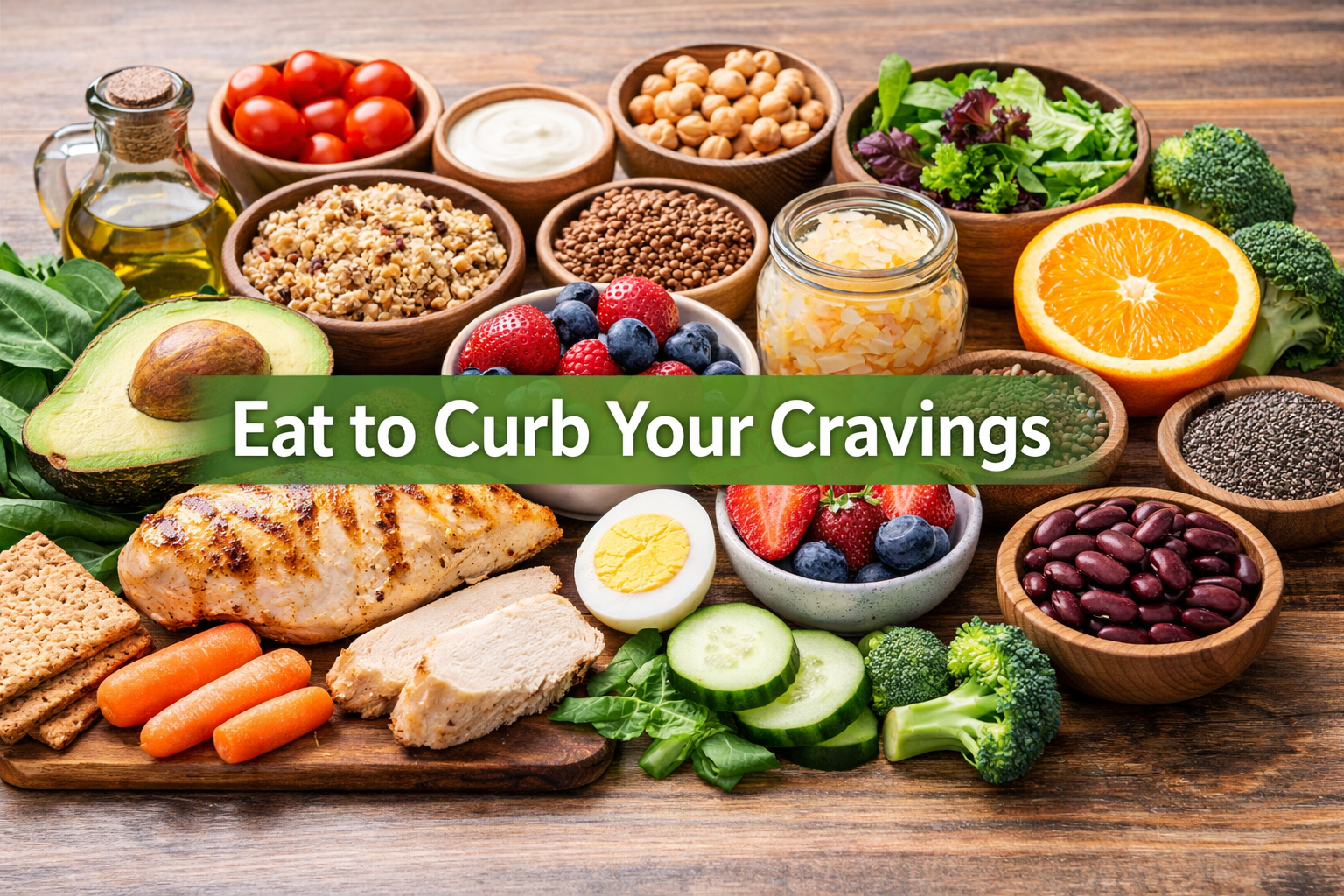

Dieting is hard—it’s not just a matter of eating less; it’s also about eating the right foods and in the right amounts. With so many diet plans out there, how can you determine which one to choose? There are common principles behind successful diets that most people don’t know about. The good news is that now there are even more options available to you! If you want to lose weight and improve your health, here are some tips on how to improve your diet habits!
Eat A Balanced Number Of Calories Each Day
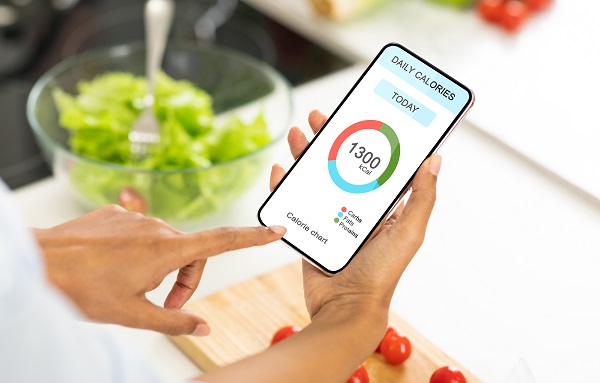
While this may be common sense to some, many diet plans emphasize restricting calories instead of balancing them throughout the day—remember, you need to eat enough for your body to function properly! It’s important to make sure you’ve eaten enough before you go to bed because if you’re still hungry when your head hits the pillow, you might end up making bad food choices. If you’re someone who tends to reach for high-fat or high-sugar snacks late at night, try having a small snack before bed instead—that will help keep you from craving something unhealthy later.
Take Control Of Your Cravings

Craving snacks like potato chips or candy? Try eating healthier foods rich in protein, fiber, and water instead! This can be a challenge if you have an addictive personality—sugar is one of the most misused substances because our bodies crave it so much. If possible, try replacing your sweets with fruits, which are naturally sweet but have healthy vitamins, minerals, and antioxidants inside! Your cravings will only get worse if you try to ignore them, so don’t beat yourself up when they come—rather, acknowledge them and make a healthy choice!
Keep Track Of What You’re Eating
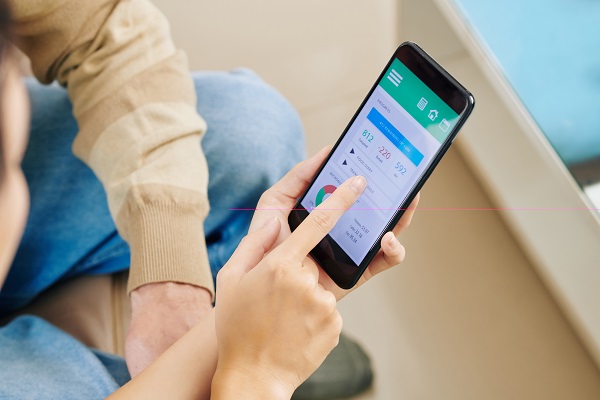
Whether you’re using a phone app or an old-fashioned notepad, it’s important to keep track of what you’re putting in your stomach—if you eat out for every meal, you can easily find yourself eating much more than you realize! If you keep track of the number of calories in what you eat, it’s easier to lose weight when you have a clear idea of how many are in your meals. Keeping track also helps prevent overeating—when we’re not paying attention, we tend to eat until our plates are empty.
Pack Healthy Snacks For Your Workday

It’s easy to eat junk food when you’re at your desk—you don’t have to make time for lunch, because there are snacks you can buy right at the office! Instead of eating chips or candy, try packing healthy snacks like carrots and hummus, grapes and low-fat cheese, or peanut butter and jelly sandwich.
There are many times when you may find yourself hungry but don’t give in to high-fat and high-sugar snacks—instead of reaching for the chips (which can be more than 400 calories), make a plate of whole-grain crackers, low-fat cheese cubes, and fruit. Those 200 calories will keep you feeling full longer. It’s also important to stay hydrated throughout the day—bring a water bottle with you so you can drink up!