Protein is one of the vital macronutrients our body needs for optimal function, especially regarding weight management. From building muscle to keeping you feeling full, protein plays a key role in your health. This article will delve into the power of protein and how high-protein foods can help you lose weight. It will discuss its impact on your body, the best protein sources, and even provide a sample high-protein meal plan for weight loss.
The Role of Protein In Weight Management
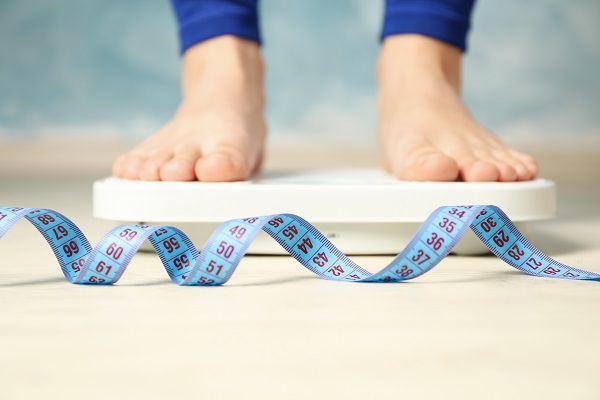
Protein is a powerhouse when it comes to weight management. One of its key benefits is its ability to promote satiety or the feeling of fullness. High-protein foods take longer to digest, keeping us feeling fuller for longer, which can help prevent overeating and snacking between meals.
Protein requires more energy to metabolize than fats and carbohydrates, meaning your body burns more calories processing protein, which can aid in weight loss. Moreover, protein has a high thermic effect on food (TEF). The TEF refers to the energy required to digest, absorb, and process nutrients.
Harnessing The Power Of Protein For Weight Loss

The power of protein can be harnessed effectively for weight loss by consuming a balanced diet rich in high-protein foods. This doesn’t mean you should only eat protein; carbohydrates and fats are also important. However, focusing on protein can help keep hunger at bay while boosting your metabolism.
Protein pacing is another strategy that can assist with weight management. This involves consuming protein-rich meals evenly throughout the day. This strategy can help maintain muscle mass and enhance recovery after exercise, but it also revives your metabolism and helps manage hunger.
High-Protein Foods To Include In Your Diet

There are many high-protein foods that you can incorporate into your diet. Lean meats such as chicken, turkey, and fish are excellent protein sources. Eggs and dairy products like Greek yogurt and cottage cheese also pack a protein punch.
If you’re a fan of legumes and grains, lentils, chickpeas, quinoa, and amaranth are rich in protein. Nuts and seeds, such as almonds and chia seeds, also provide a good dose of protein. Including a variety of these foods in your meals will ensure you get enough protein while also benefitting from other nutrients these foods provide.
The Downside Of Excessive Protein Intake
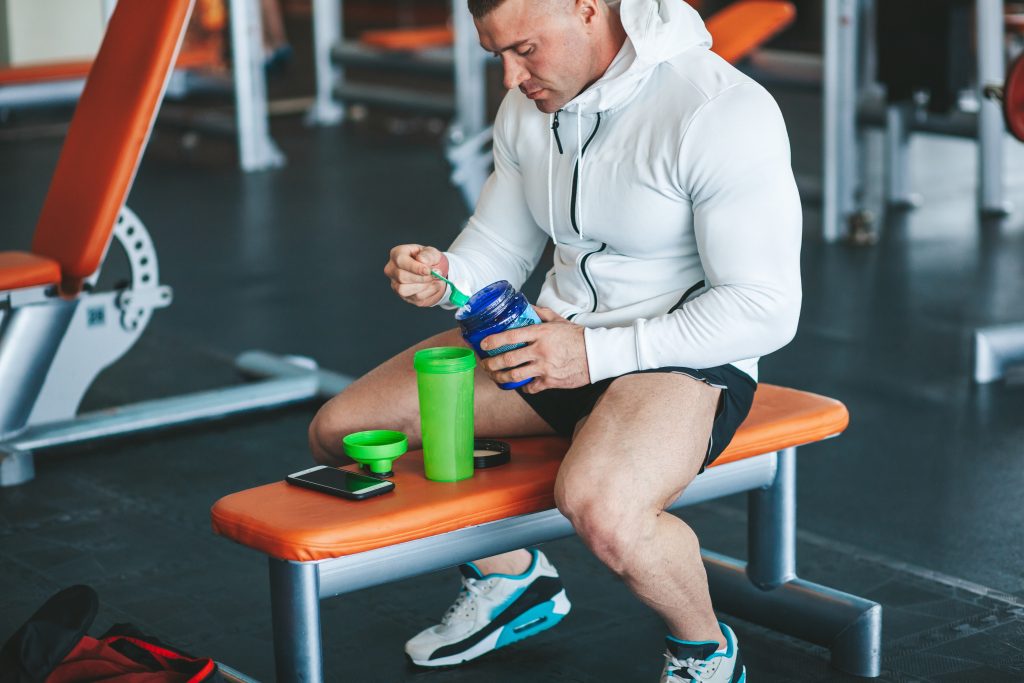
While protein is essential for weight loss and overall health, it’s important to be mindful of the potential downsides of consuming too much protein. Excessive protein intake can damage the kidney, particularly in people with existing kidney conditions. It can also lead to nutrient deficiencies if it crowds out other important food groups in your diet.
Moderation is key when it comes to protein consumption. The recommended dietary allowance for protein is 46 grams daily for women and 56 grams for men. However, individual needs can vary depending on age, sex, physical activity level, and overall health.
Protein and Exercise: A Winning Combination

Pairing a high-protein diet with regular exercise is a winning weight-loss combination. Protein provides the necessary nutrients for muscle repair and growth, essential after a strenuous workout.
Combining high-protein foods and exercise can significantly enhance your weight loss efforts. As muscles burn more calories than fat, having more muscle can boost your metabolism and help you burn more calories, even at rest. Regular exercise, particularly strength training, can also increase your muscle mass.