
Nutrition, Sleep, and Muscle Recovery

Nutrition and sleep share a reciprocal relationship when it comes to muscle recovery. The body’s nutritional state before bed can influence the quality of sleep and, consequently, the effectiveness of muscle repair. Consuming a balanced meal with enough protein can provide the amino acids for muscle recovery while sleeping. The body gradually releases and utilizes these nutrients overnight, promoting muscle synthesis and repair.
Conversely, sleep quality can affect the following day’s dietary choices and metabolic processes. Poor sleep can increase cravings for high-calorie, low-nutrient foods, which may not provide the optimal building blocks for muscle recovery. Additionally, the body’s ability to absorb and process these nutrients may be impaired, further hindering recovery. Hence, a well-considered diet that aligns with sleep patterns is essential for enhancing muscle recovery and maintaining optimal health.
Exercise Routines and Sleep Patterns

Exercise and sleep form a bidirectional relationship, each influencing the efficacy of the other. Regular physical activity can promote better sleep quality, increasing the duration of deep sleep, where most muscle recovery occurs. Timing is crucial; engaging in vigorous exercise too close to bedtime can lead to heightened alertness and interfere with the ability to fall asleep. Conversely, exercising earlier in the day can help regulate the body’s circadian rhythms, preparing it for restful sleep at night.
The type of exercise also matters. While high-intensity workouts can boost fitness levels, incorporating low-impact activities like yoga or stretching in the evening can enhance sleep quality. These activities promote relaxation and help mitigate the muscle tension that might disrupt sleep. For athletes, balancing intense training with adequate restorative sleep is critical to achieving peak performance and optimal muscle recovery.
Sleep Hygiene for Athletes

Sleep hygiene, which promotes regular, restful sleep, is particularly crucial for athletes whose performance depends on muscle recovery. Consistency in sleep schedules, even on weekends, helps regulate the body’s internal clock and improves sleep quality. Creating a sleep-conducive environment — cool, dark, and quiet — can also significantly enhance sleep quality.
Beyond the physical environment, cognitive-behavioral factors play a role. Athletes should engage in winding-down activities before bed to transition the mind and body into a state of relaxation. This can include reading, meditation, or other relaxing activities that signal the body that it is time to wind down. Avoiding stimulants like caffeine and electronics that emit blue light can also help ensure that the body enters the deep, restorative stages of sleep necessary for muscle recovery.
Technological Advances in Sleep and Recovery Tracking
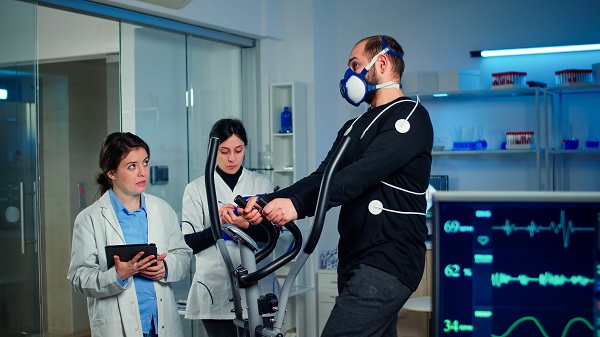
Technological advancements have provided athletes with tools to monitor and optimize their sleep for better muscle recovery. Devices like fitness trackers and smartwatches can monitor sleep patterns, providing insights into sleep quality and duration. These devices track movements and heart rate to estimate which stages of sleep the wearer is experiencing, offering valuable data that can be used to adjust sleep habits and routines.
However, while these tools can be helpful, they have limitations. Accuracy can vary, and the data should not be used as a definitive measure of sleep health but rather as a guide. Users should also be aware of privacy and security considerations when using technology that collects personal health data. Nonetheless, when used wisely, these devices can be a valuable component of a comprehensive approach to muscle recovery.
The Bottom Line
The profound relationship between sleep and muscle recovery cannot be overstated. From orchestrating physiological processes that mend and fortify muscle fibers to the hormonal interplay that facilitates growth and repair, sleep is the unsung hero in the athlete’s journey toward peak performance. The detrimental effects of sleep deprivation serve as a stark reminder of the necessity of rest. In contrast, integrating nutrition and exercise with sleep patterns underscores the interconnectedness of these facets of health. Embracing technological advancements and lifestyle adjustments can further enhance the muscle recovery process. Pursuing excellent sleep hygiene is not a luxury but a foundational element in the quest for physical excellence and robust muscle health.