
Peanut Butter and Blood Sugar Control

Peanut butter has a low glycemic index, which means it does not cause rapid spikes in blood sugar levels. This makes it a beneficial option for people looking to maintain steady energy levels throughout the day. The combination of healthy fats and protein slows the absorption of carbohydrates, reducing blood sugar fluctuations. For individuals with diabetes or insulin resistance, peanut butter can be a smart snack choice when eaten in moderation.
However, not all peanut butter varieties provide the same blood sugar benefits, as many brands contain added sugars. Processed versions with artificial sweeteners or syrups can lead to unwanted spikes in glucose levels, negating its potential advantages. Choosing unsweetened peanut butter and pairing it with fiber-rich foods, like whole-grain toast or apples, can enhance its blood sugar-regulating effects. Being mindful of ingredient labels and portion sizes ensures that peanut butter remains a health-conscious choice rather than a hidden source of sugar.
Potential Allergies and Sensitivities
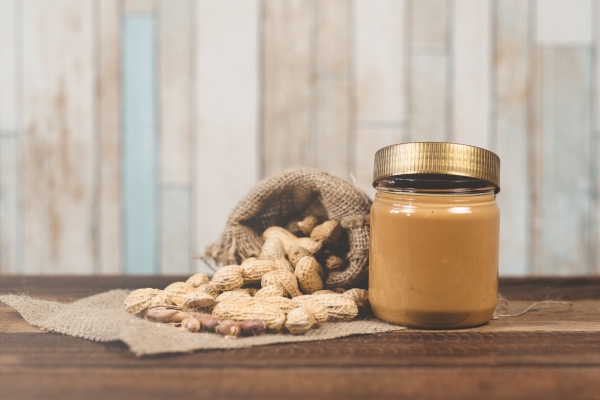
Peanut allergies are among the most common and severe food allergies, affecting millions of people worldwide. For those with an allergy, even trace amounts of peanuts can trigger life-threatening reactions, including difficulty breathing, swelling, and anaphylaxis. Because of the severity of peanut allergies, many schools and workplaces have policies to limit peanut-containing foods in shared spaces. Individuals with peanut allergies must be extremely cautious about cross-contamination, as even minor exposure can be dangerous.
Beyond allergies, some people experience mild digestive sensitivities when consuming peanut butter, even without a full-blown allergic reaction. Aflatoxins, naturally occurring mold toxins found in peanuts, have raised concerns about potential long-term health effects. Additionally, individuals with irritable bowel syndrome (IBS) or other digestive issues may find peanut butter difficult to tolerate due to its fat content. Those who experience discomfort after eating peanut butter might consider alternative spreads like almond or sunflower seed butter.
Peanut Butter and Muscle Building
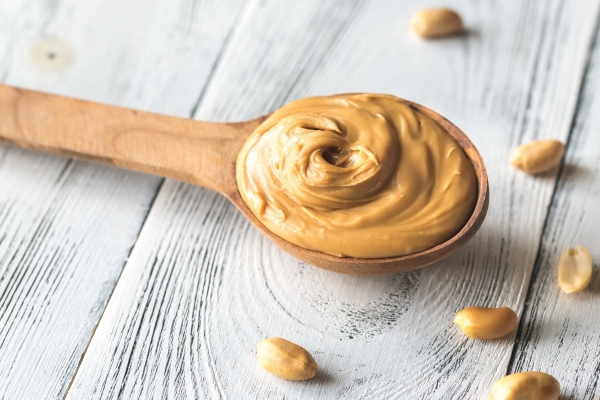
Peanut butter is a valuable addition to a muscle-building diet due to its high protein and healthy fat content. Athletes and fitness enthusiasts often incorporate it into their meals as a source of sustained energy and muscle recovery support. The protein found in peanut butter helps repair muscle tissues after workouts, while its calorie density makes it ideal for those needing extra energy intake. When paired with other nutrient-dense foods, it can be an effective tool for meeting fitness and strength goals.
der_second_paragraph - under_second_paragraph -->Despite its benefits, peanut butter alone does not provide a complete amino acid profile necessary for optimal muscle growth. Unlike animal-based proteins, it lacks certain essential amino acids, making it important to pair it with complementary protein sources. Consuming peanut butter in excess without balancing it with other nutrients may lead to unintended fat gain rather than lean muscle development. To maximize its benefits, individuals should include it as part of a well-rounded diet that includes lean proteins, complex carbohydrates, and healthy fats.
Making the Right Peanut Butter Choice
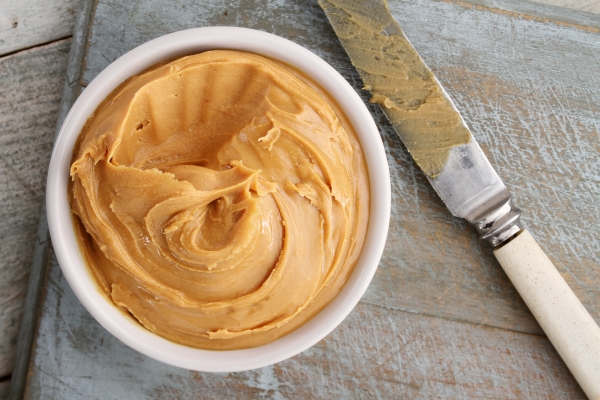
Not all peanut butter is created equal, and choosing the right type can make a significant difference in its health impact. Natural peanut butter, which contains only peanuts and possibly a small amount of salt, is the best option for those looking to avoid unnecessary additives. Many commercial brands contain added sugars, hydrogenated oils, and artificial preservatives, which can diminish the health benefits of peanut butter. Reading ingredient labels carefully ensures that you select a product that aligns with your health goals.
While natural peanut butter is the healthiest option, it may require stirring due to the separation of oils, which some people find inconvenient. Additionally, organic peanut butter can be a better choice for those concerned about pesticide exposure in conventional peanuts. Some people may prefer flavored or sweetened peanut butter, but these often contain excessive sugar and unhealthy fats. Choosing a high-quality peanut butter ensures that you get the maximum nutritional benefits while minimizing potential health risks.
Finding the Perfect Balance with Peanut Butter
Peanut butter can be a nutritious and delicious addition to your diet when chosen wisely and consumed in moderation. Its protein, healthy fats, and essential nutrients offer valuable health benefits, but potential drawbacks like added sugars, allergies, and overconsumption should not be overlooked. Making informed choices about the type and amount of peanut butter you eat can help you enjoy its advantages without unnecessary risks. Whether you spread it on toast, blend it into a smoothie, or enjoy it by the spoonful, being mindful of its impact ensures it remains a smart and satisfying part of your diet.