The liver plays a vital role in keeping the body functioning properly by processing nutrients, filtering toxins, and supporting digestion. Every day it works to break down fats, regulate blood sugar levels, and remove harmful substances from the bloodstream. Because the liver is responsible for handling so many metabolic tasks, the foods people eat can have a direct impact on how well it performs. Some foods may place additional stress on the liver, especially when consumed frequently or in large amounts. Understanding which dietary habits can contribute to liver strain can help individuals make more informed choices that support long-term liver health and overall well-being.
Contents
- 1 Why Diet Plays a Critical Role in Liver Health
- 2 Sugary Foods and Beverages
- 3 Highly Processed Foods
- 4 Fried Foods and Excess Saturated Fat
- 5 Alcohol and Its Impact on the Liver
- 6 Excessive Salt and Sodium-Heavy Foods
- 7 Refined Carbohydrates and White Flour Products
- 8 Choosing Foods That Support a Healthier Liver
Why Diet Plays a Critical Role in Liver Health

The liver is one of the most hardworking organs in the body, responsible for filtering the blood and processing the nutrients that come from the foods people eat. After digestion occurs, nutrients travel through the bloodstream to the liver, where they are either stored, converted into usable energy, or broken down for removal. This process allows the body to regulate energy levels, maintain balanced blood chemistry, and eliminate toxins that could otherwise cause harm. Because of this central role in metabolism, the liver is particularly sensitive to dietary habits and nutritional choices.
When a diet regularly includes excessive amounts of sugar, unhealthy fats, or heavily processed foods, the liver may struggle to keep up with the workload. Over time, these dietary patterns can lead to fat accumulation within liver cells, which may interfere with the organ’s ability to function efficiently. Conditions such as non-alcoholic fatty liver disease have become increasingly common in many countries and are often associated with long-term dietary habits. By understanding how different foods affect liver function, individuals can better recognize how everyday eating patterns influence overall health.
Sugary Foods and Beverages
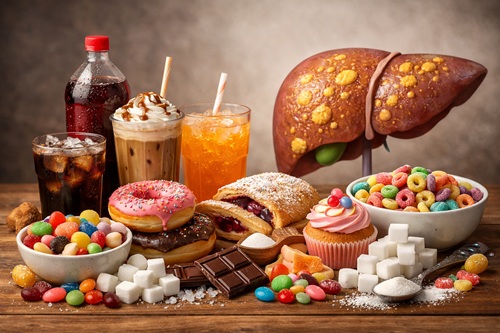
Foods and drinks that contain large amounts of added sugar are among the most significant dietary factors associated with liver stress. Many common products such as soft drinks, candy, pastries, flavored coffees, and sweetened breakfast cereals contain high levels of refined sugars. These sugars, particularly fructose, are processed primarily by the liver. When consumed in large quantities, the liver converts excess sugar into fat, which can gradually accumulate in liver tissue.
Frequent consumption of sugary beverages can be especially concerning because liquid sugar is absorbed quickly and does not provide the same feeling of fullness as solid food. As a result, people may consume large amounts of sugar without realizing how much they are ingesting. Over time, this pattern may contribute to fat buildup in the liver and increase the risk of metabolic conditions. Reducing intake of sugary drinks and processed sweets can help lower the strain placed on the liver and support healthier metabolic balance.
Highly Processed Foods
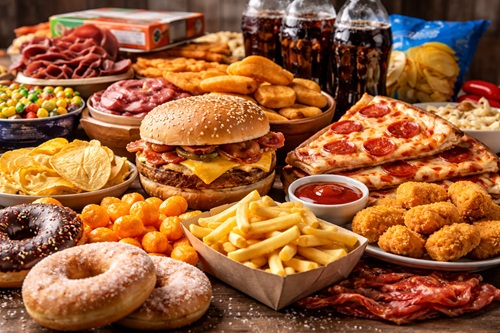
Highly processed foods are often designed for convenience and long shelf life, but they frequently contain ingredients that may place stress on the liver when consumed regularly. These foods commonly include refined carbohydrates, unhealthy fats, preservatives, and artificial additives. Examples include packaged snack foods, frozen meals, fast food items, and processed meats. While these products may be convenient and widely available, they often lack the nutritional balance found in whole foods.
Regular consumption of heavily processed foods can contribute to weight gain, insulin resistance, and metabolic imbalance, all of which can influence liver health. Many processed products are also high in trans fats or refined carbohydrates that may encourage fat accumulation within liver cells. Over time, diets dominated by these foods may increase the likelihood of developing liver-related health concerns. Choosing foods that are closer to their natural state, such as fruits, vegetables, and whole grains, can help support healthier liver function and overall nutritional balance.
Fried Foods and Excess Saturated Fat

Fried foods are widely enjoyed but can place significant strain on the liver when consumed frequently. Foods such as fried chicken, french fries, onion rings, and deep-fried snacks are typically cooked in oils that contain high amounts of saturated or unhealthy fats. These fats can be difficult for the body to process when eaten in large quantities. Because the liver plays a central role in fat metabolism, excessive intake of fried foods may increase the workload placed on this organ.
Over time, diets high in saturated fats can contribute to the accumulation of fat within liver cells. This buildup may interfere with normal liver function and may be associated with the development of fatty liver conditions. Fried foods are also often calorie-dense, which can contribute to weight gain and metabolic imbalance when eaten regularly. Limiting the frequency of fried foods and choosing cooking methods such as baking, grilling, or steaming may help reduce unnecessary stress on the liver.
Alcohol and Its Impact on the Liver

Alcohol is one of the substances most commonly associated with liver damage because it is processed directly by the liver. When alcohol is consumed, the liver works to break it down into less harmful substances that the body can eliminate. During this process, toxic byproducts are produced, which can cause inflammation and damage to liver cells. While the liver has a remarkable ability to repair itself, repeated exposure to high amounts of alcohol can overwhelm this natural recovery process.
Long-term excessive alcohol consumption may lead to a range of liver-related conditions. These may include alcoholic fatty liver disease, alcoholic hepatitis, and eventually cirrhosis, which involves severe scarring of liver tissue. The progression of these conditions often occurs gradually over time as damage accumulates. Moderation in alcohol consumption is commonly recommended as a way to reduce the risk of long-term liver complications and to support overall liver health.
Excessive Salt and Sodium-Heavy Foods

High sodium intake is another dietary factor that can influence liver health, particularly in individuals who already have liver conditions. Many processed foods contain large amounts of added salt to enhance flavor and preserve shelf life. Examples include canned soups, packaged snacks, processed meats, and many fast food items. Because sodium can contribute to fluid retention, excessive intake may place additional strain on the body’s regulatory systems.
In people with existing liver disease, high sodium intake may worsen complications such as swelling and fluid buildup in the abdomen, a condition known as ascites. Even for those without liver disease, consistently high sodium consumption can contribute to high blood pressure and other metabolic concerns that indirectly affect liver health. Monitoring sodium intake and choosing lower-sodium alternatives may help reduce these risks. Preparing meals with fresh ingredients and limiting heavily processed foods can support healthier sodium levels and overall dietary balance.
Refined Carbohydrates and White Flour Products

Refined carbohydrates are another group of foods that can contribute to liver strain when they make up a large portion of the diet. These foods are produced by removing much of the fiber and nutrients from grains during processing. Common examples include white bread, white pasta, pastries, crackers, and many baked goods made with refined flour. Because fiber is largely removed during processing, these foods are digested quickly and can cause rapid increases in blood sugar levels.
Frequent spikes in blood sugar can lead to increased insulin production, which may encourage the body to store excess energy as fat. Over time, some of this fat may accumulate in the liver, especially when refined carbohydrates are consumed regularly in large amounts. Diets high in refined grains are often linked to metabolic conditions such as obesity and insulin resistance, both of which can influence liver health. Choosing whole grain alternatives that retain their natural fiber and nutrients may help support more stable blood sugar levels and reduce unnecessary strain on the liver.
Choosing Foods That Support a Healthier Liver
Protecting liver health often begins with paying closer attention to everyday dietary choices. Many commonly consumed foods, including sugary drinks, processed snacks, fried items, and refined carbohydrates, can place added strain on the liver when eaten frequently. Over time, these dietary habits may contribute to fat buildup, inflammation, and other metabolic challenges that affect liver function. Choosing a more balanced diet that includes whole foods such as fruits, vegetables, lean proteins, and whole grains can help support the liver’s natural processes. Even small adjustments, such as reducing added sugar or limiting highly processed foods, may help maintain healthier liver function and support overall long-term wellness.