
Get Enough Sleep

Sleep is the key to good health, and this couldn’t be more true regarding weight loss. Getting enough rest each night can help you avoid overeating during the day and prevent weight gain. Studies have shown that when people don’t get enough sleep, they’re more likely to feel hungry or make poor food choices. So if you want to drop 10 pounds in a month, it’s essential to prioritize sleep.
Aim for 7-8 hours of quality sleep each night to get enough rest. This can be difficult during times of stress and busy schedules, but there are several things you can do to improve the quantity and quality of your sleep. These include avoiding caffeine past noon, taking short naps during the day, and exercising regularly. So if you want to lose weight this month, ensure you get enough rest each night.
Add More Fiber To Your Diet

Most people think of fiber as something good for digestive health, and while that’s true, fiber can also help with weight loss. Fiber is a carbohydrate the body can’t digest, so it passes through the digestive system relatively untouched. This means fiber doesn’t contribute to calorie intake, making it an ideal addition to a weight-loss diet.
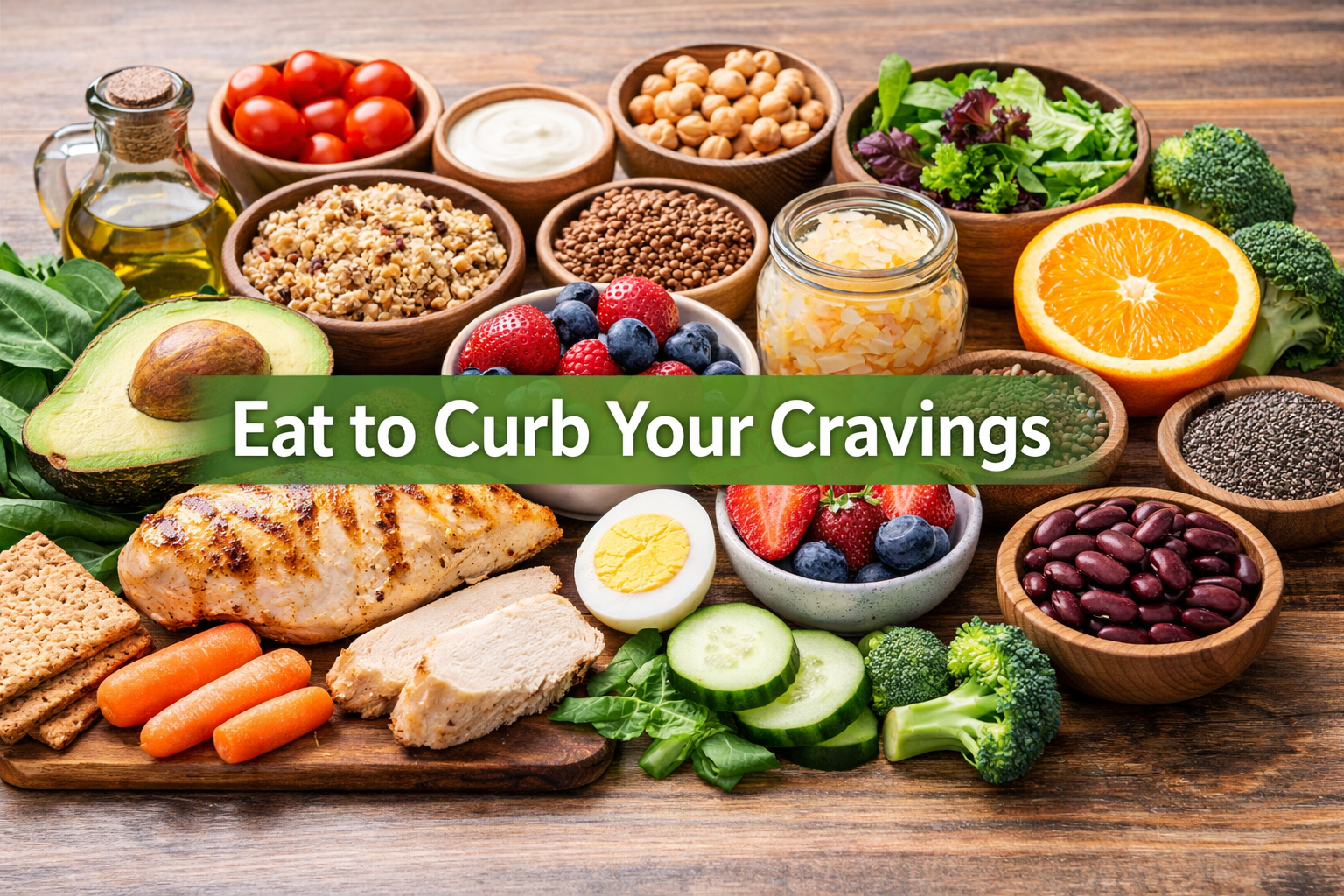
Fiber also promotes satiety or feelings of fullness, which can help you eat less throughout the day. Moreover, fiber-rich foods are low in calories and high in other nutrients like vitamins, minerals, and antioxidants. For these reasons, adding more fiber to your diet is a great way to lose weight healthily and safely.
Try Eating A High Protein Breakfast

Breakfast is the most important meal of the day, and a high-protein breakfast can be especially helpful in weight loss. Research has shown that people who eat a high-protein breakfast are better able to control their appetite throughout the day and have more energy for working out. In addition, eating a healthy breakfast has been linked to better overall health, leading to a lower risk of chronic diseases like heart attack and stroke.
Start your day with eggs or Greek yogurt to eat a high-protein breakfast. Eggs are a great source of protein, and you can prepare them in many different ways. And while you may not love eating more than one at a time, eggs are inexpensive and nutritious. Greek yogurt is another excellent option if you’re not
a fan of eggs. It’s high in protein, low in calories, and works well with various foods like fruit and nuts.Intermittent Fasting

Intermittent fasting is a type of diet that temporarily restricts the number of calories you eat. Intermittent fasting is a common tactic to lose weight, but you can also use it to control your blood sugar levels and reduce inflammation in the body.
There are several different ways to achieve intermittent fasting, but most involve eating during set periods and fasting during others. For example, some people fast for 16 hours, with only 8 hours of eating allowed during the day. Others choose to alternate days between fasting and non-fasting or eat normally on most days but restrict their calories severely on one or two days per week.
Extra Tips To Lose 10 Pounds In A Month

In addition to the tips listed above, you can do several other things to lose 10 pounds in a month. Some of these include
- Doing HIIT exercises to burn fat
- Avoiding refined carbs
- Keeping track of your progress with a journal
- Taking probiotics to improve gut health and reduce inflammation in the body
- Resistance training
Final Thoughts On How To Lose 10 Pounds In A Month
As we mentioned at the start of this article, you can lose 10 pounds in a month safely and healthily. However, it will take some effort and commitment. Start by changing your diet, eating more fiber and protein-rich foods, and adding exercise to your routine. And don’t be afraid to try something new, like intermittent fasting or resistance training. With time and dedication, you can reach your weight-loss goals and improve your overall health.