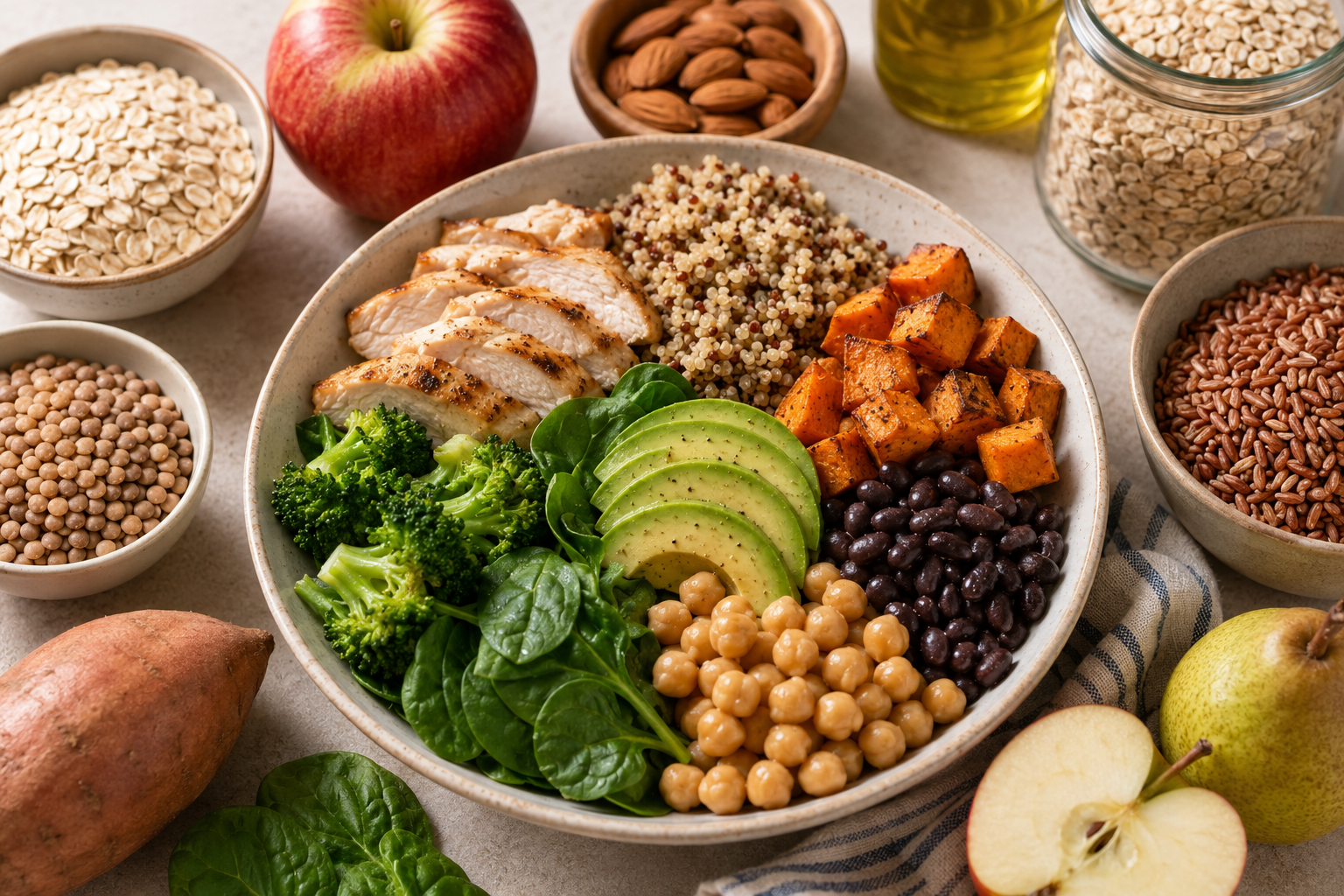

High protein diets have gained significant traction among health enthusiasts aiming to lose weight and build muscle. Typically rich in meats, dairy, and eggs, these diets are touted for their effectiveness in quick muscle recovery and fat reduction. Despite their popularity, the potential health risks associated with prolonged reliance on such diets are often overlooked. It’s crucial for anyone considering this dietary approach to be fully aware of the implications it may have on their overall health. Understanding the possible adverse effects is essential to ensure that this diet is applied in a balanced and health-conscious manner.
Nutritional Imbalances

High protein diets can often lead to an imbalance in nutrient intake. Focusing primarily on proteins might cause one to neglect other vital nutrients, which are predominantly found in fruits, vegetables, and grains. This nutritional gap can result in deficiencies in vitamins and minerals, which are crucial for overall health and well-being. Over time, these deficiencies can lead to serious health complications, including impaired immune function and decreased bone strength.
The long-term effects of these nutritional deficiencies are often subtle and slow to manifest. However, they can set the stage for chronic health conditions. For example, inadequate intake of antioxidants found in plant-based foods can increase oxidative stress and inflammation, potentially leading to chronic diseases such as heart disease and cancer. Thus, while the benefits of protein are well-documented, balance is key to avoiding these detrimental health impacts.
Kidney Overload
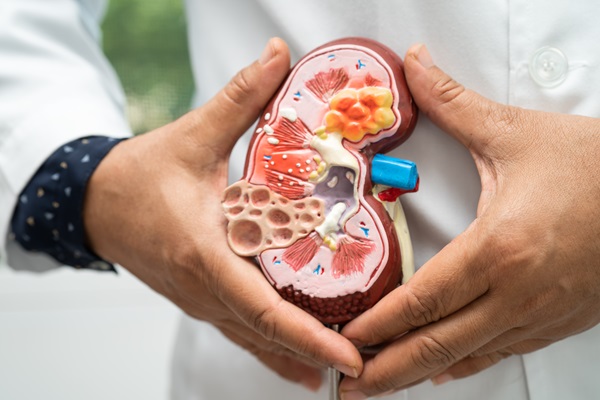
A significant increase in protein intake requires the kidneys to work harder to filter metabolites out of the body, which can be strenuous over time. High levels of protein in the diet increase the amount of blood urea nitrogen, which is a byproduct of protein metabolism that the kidneys must filter from the blood. This added strain can be problematic, especially for individuals with pre-existing kidney conditions or those at risk of renal disease.
For those without kidney issues, a consistently high protein intake may still increase the risk of developing kidney disease later in life. The increased workload can cause the kidneys to become less efficient, potentially leading to long-term damage or failure. It’s, therefore, essential for individuals to monitor their protein intake and consider their kidney health when choosing a high-protein diet.
Bone Health Complications

Diets high in protein, particularly animal protein, can affect the body’s calcium balance. While protein is essential for bone health, excessive amounts can lead to the leaching of calcium from the bones, which is then excreted in the urine. This process potentially weakens bones over time and increases the risk of osteoporosis, particularly in populations at risk for bone density issues.
The relationship between high protein intake and bone health is complex and influenced by other dietary factors such as calcium and vitamin D intake. Studies have shown that when sufficient calcium is consumed, the negative effects of high protein on bone density are mitigated. However, in the absence of adequate dietary calcium, high protein intake can be a risk factor for bone degradation.