Contents
Heart Health Risks

High protein diets that lean heavily on red and processed meats come with increased risks for heart health. These foods are often high in saturated fats and cholesterol, which can lead to the development of cardiovascular diseases, such as hypertension and heart attack. The consumption of large quantities of these types of meats has been linked to higher levels of LDL cholesterol, known as the “bad” cholesterol, which clogs arteries and impairs heart function.
Beyond the fats, the specific proteins in red meat may also have direct effects on heart health. Research has indicated that certain amino acids found in animal protein can contribute to vascular stiffness and hypertension. This suggests that even lean sources of high protein might carry risks for the heart, particularly when consumed in large amounts without the balance of other heart-healthy foods like whole grains and vegetables.
Increased Cancer Risk

The correlation between high-protein diets and an increased risk of certain types of cancer has been a significant concern in nutritional studies. Diets high in processed and red meats, often staples in protein-centric eating plans, have been linked to higher incidences of colorectal and pancreatic cancers. These foods contain compounds that, when digested, can lead to the formation of carcinogenic substances in the gut. It’s essential to consider these risks when opting for a diet that heavily incorporates these types of proteins.
Furthermore, the method of cooking high-protein foods, particularly grilling and barbecuing at high temperatures, can also produce carcinogenic chemicals. For example, cooking meats at high temperatures forms heterocyclic amines and polycyclic aromatic hydrocarbons, both known carcinogens. This emphasizes the need for moderation and variety in protein sources and preparation methods to minimize potential cancer risks associated with high-protein diets.
Digestive Issues
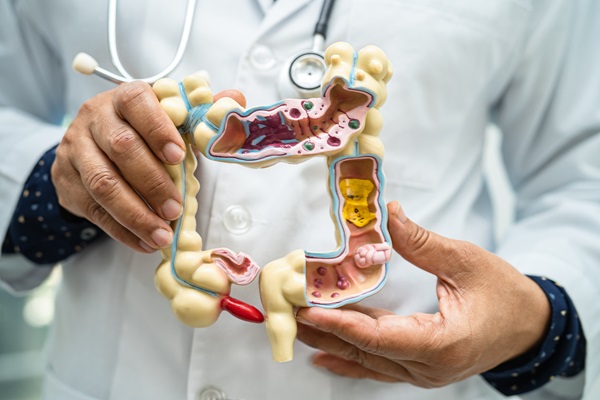
High protein diets often lack sufficient fiber, especially when carbohydrate intake is significantly reduced to make way for more protein-rich foods. This imbalance can lead to digestive discomforts such as constipation and bloating. Fiber is essential for maintaining healthy digestion by helping to regulate bowel movements and support a healthy gut microbiome. Without adequate fiber, the digestive system can become sluggish, and the risk of gastrointestinal disorders increases.
Additionally, a heavy reliance on protein can alter the gut flora, leading to an increase in the production of harmful byproducts from protein digestion, such as ammonia and urea. These substances can irritate the gut lining and may contribute to conditions like irritable bowel syndrome (IBS) and increased permeability of the gut wall, commonly referred to as leaky gut syndrome. Including a variety of fiber-rich foods, such as vegetables and whole grains, is crucial to counteract these adverse effects and support digestive health.
Weighing the Risks of High Protein Diets
While high protein diets can offer benefits like weight loss and muscle building, the potential health risks cannot be ignored. From nutritional imbalances to increased risks of kidney damage, bone health complications, heart disease, cancer, and digestive issues, the side effects are significant. It’s essential for individuals to seek a balanced diet that incorporates a wide range of nutrients and to consult healthcare providers before making any drastic changes to their eating habits. Moderation, variety, and balance are key components of any healthy diet and are crucial for long-term health and well-being.