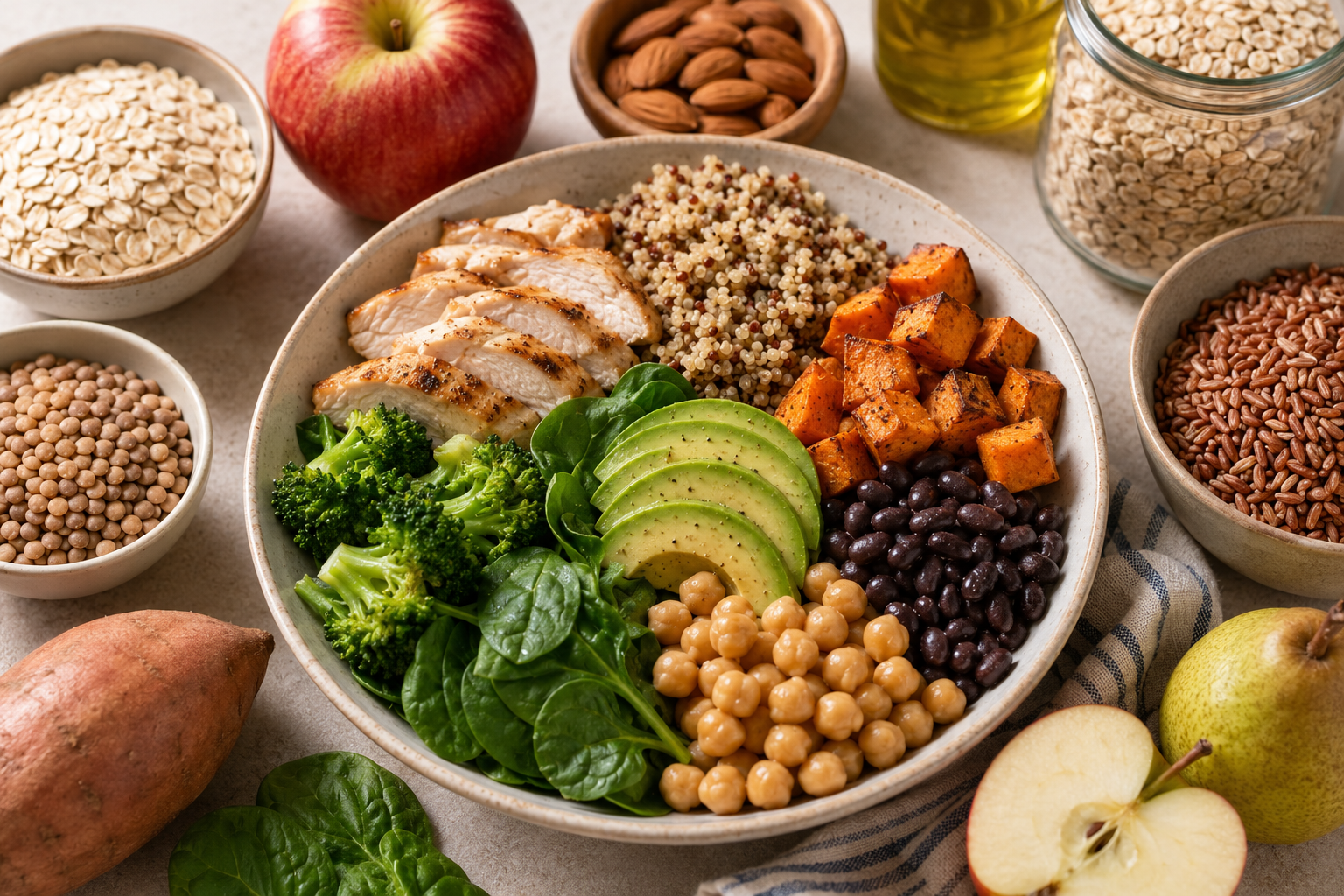

When it comes to organic produce, not all vegetables are created equal. Some vegetables typically come into contact with more pesticides and other harmful chemicals than others. Other vegetables are naturally resistant to pests or disease, making them less of a concern for conventional farmers who might instead focus on crops that require more pesticide treatments. This list will give you an idea of what kinds of vegetables you should always buy organic, as well as some good options if you choose to buy conventional produce.
What Does It Take To Label A Vegetable Organic?
Labeling a vegetable organic requires a lot of strict oversight. Every aspect of the growing process must be certified to meet the standards set by the U.S. Department of Agriculture (USDA). This includes ensuring that no synthetic fertilizers, pesticides, or herbicides are used to enhance growth or prevent disease. Additionally, other farming practices, such as crop rotation and manure application, must be followed to meet these requirements.
There is also an extra level of scrutiny that goes into ensuring organic foods are not mixed with non-organic foods during processing and packaging. Ultimately, it takes rigorous adherence to stringent regulations before any vegetable can be considered certified organic and carry that label proudly.
Cabbage

Buying organic cabbage is the best choice for many reasons. You receive the greatest nutritional value and reduce your exposure to chemicals and toxic substances like pesticides and herbicides that are more likely utilized in traditional farming practices. Moreover, organic cabbages have been proven to have a sweeter taste and firmer texture – far superior to cabbages grown conventionally.
Additionally, cabbage is susceptible to infestation from the cabbage worm, which is resistant to many pesticides. Buying organic cabbage can help protect against this pest and other potential threats to your health.
Peppers