Incorporating Vitamin C Into Your Diet

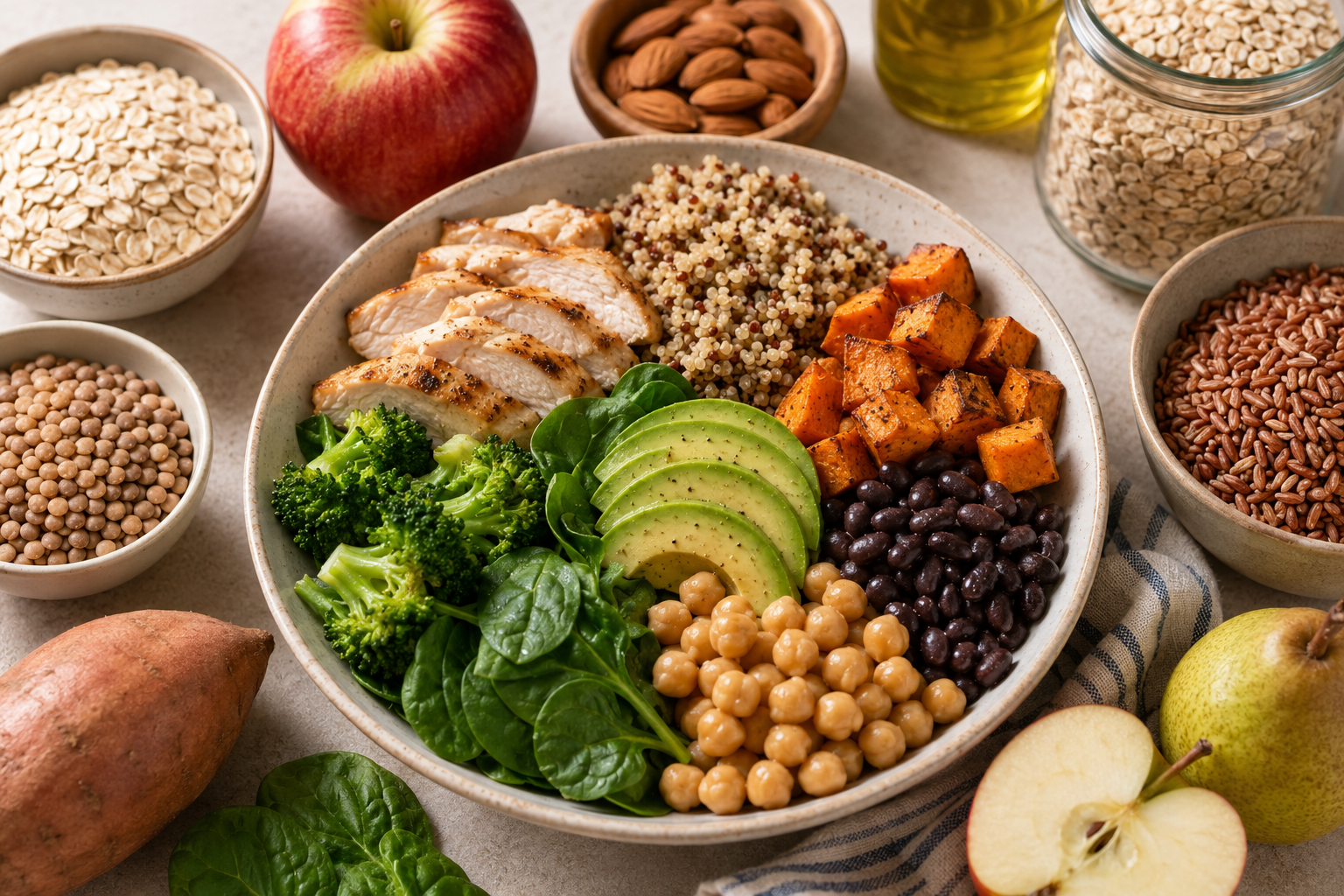
Vitamin C is abundantly available in various fruits and vegetables, including citrus fruits, strawberries, bell peppers, broccoli, and spinach. Consuming a diverse, plant-rich diet ensures you get adequate amounts of Vitamin C and other beneficial nutrients. Additionally, some foods are fortified with Vitamin C, providing another essential nutrient source.
The recommended daily Vitamin C intake varies depending on age, sex, and life stage. The recommendation for most adults is between 75-90 mg daily. However, it’s always advisable to consult with a healthcare professional or a dietitian to determine the right amount for your needs, particularly if you’re considering Vitamin C supplementation.
Misconceptions And Precautions About Vitamin C Supplementation

There are a few misconceptions about Vitamin C that need to be cleared. The most common one is that more is always better. While Vitamin C is essential for our health, excess consumption can lead to side effects such as stomach upset and diarrhea. It’s crucial to remember that balance is key in nutrition.
The safe upper intake level for Vitamin C is 2,000 mg per day for adults. Anything beyond this could lead to harmful effects. Moreover, some people may have conditions or take medications that can interact negatively with Vitamin C supplementation. Therefore, before starting any supplementation regime, it’s advisable to consult with a healthcare provider.
The Role Of Vitamin C In A Balanced Diet And Healthy Lifestyle

Incorporating Vitamin C into a balanced diet and healthy lifestyle is about more than just weight management. Vitamin C contributes to overall health by supporting the immune system, promoting skin health, and acting as a potent antioxidant. Moreover, many foods rich in Vitamin C are also packed with other essential nutrients, further amplifying their health benefits.
While Vitamin C can contribute to health and weight management, it’s only one piece of the puzzle. A healthy lifestyle also involves regular physical activity, adequate sleep, stress management, and consumption of a diverse, nutrient-rich diet. The combination of these factors creates the synergistic effect needed for optimal health.
The Bottom Line
In this post, you’ve explored the multifaceted role of Vitamin C as a crucial immune booster, a potent antioxidant, and a potential ally in weight management. While further research is needed to fully understand the connection between Vitamin C and weight management, it’s clear that maintaining adequate Vitamin C intake is beneficial for overall health. However, it’s equally important to remember that a single nutrient cannot be a silver bullet for weight loss or health. Instead, the focus should always be on fostering a balanced diet and healthy lifestyle habits. Doing so can harness the full potential of Vitamin C and other nutrients for optimal health and well-being.