Decaffeinated Coffee with Chemical Solvents

Decaffeinated coffee might seem like a healthier choice for those looking to reduce their caffeine intake, but the method used to remove the caffeine can be a cause for concern. Some decaffeination processes involve chemical solvents such as methylene chloride, which can leave trace amounts of chemicals in the coffee. While the levels are generally considered safe, long-term exposure to these chemicals may pose health risks, including potential respiratory issues and other adverse effects.
Moreover, the environmental impact of chemical decaffeination is another important consideration. The use of solvents can lead to pollution and environmental degradation, making it less sustainable compared to other decaffeination methods. Consumers concerned about their health and the environment should look for decaffeinated coffee that uses the Swiss Water Process or other chemical-free methods. These options ensure a healthier and more environmentally friendly choice.
Instant Coffee with Additives

Instant coffee is a convenient option for many, but its convenience often comes at a cost to health. The processing of instant coffee typically involves additional preservatives and additives to enhance flavor and extend shelf life. These additives can include stabilizers, artificial flavors, and even added sugars, all of which can have negative health effects. Consuming instant coffee regularly can lead to the ingestion of these unwanted chemicals, potentially causing inflammation and other health problems.
In addition to additives, the quality of the coffee beans used in instant coffee is generally lower than that of freshly brewed coffee. This lower quality can result in a less beneficial antioxidant profile, reducing the potential health benefits of coffee. For those seeking a healthier option, it is better to choose freshly ground coffee beans and avoid instant varieties with unnecessary additives. This choice can provide a more natural and beneficial coffee-drinking experience.
Energy Coffee Drinks
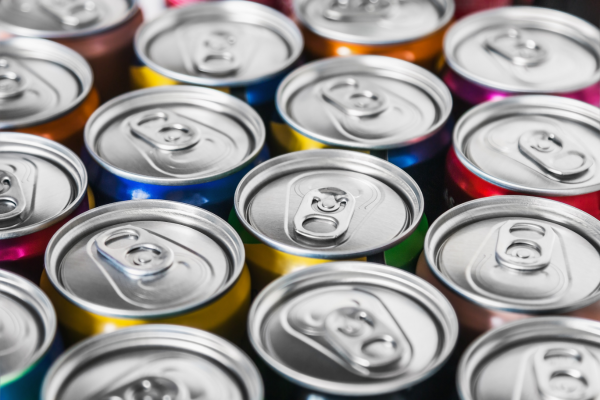
Energy coffee drinks combine the caffeine of coffee with additional energy-boosting ingredients like guarana, taurine, and added sugars. While these drinks promise an extra jolt of energy, they come with significant health risks. The high caffeine content, often much higher than regular coffee, can lead to jitteriness, anxiety, and heart palpitations. Additionally, the added sugars and artificial ingredients can contribute to weight gain, increased blood sugar levels, and a higher risk of metabolic disorders.
These energy coffee drinks can also create a cycle of dependence, where individuals feel the need to consume more to achieve the same energy boost. This can lead to excessive caffeine consumption, which is associated with long-term health problems such as insomnia, digestive issues, and cardiovascular complications. For a healthier and more sustainable energy boost, it is advisable to stick to regular coffee in moderation and avoid the extra additives found in energy coffee drinks.
Making Healthier Coffee Choices
Understanding the risks associated with certain coffee drinks can help you make healthier choices for your daily caffeine fix. Avoiding sugar-laden, high-calorie, artificially flavored, and additive-filled options is essential for maintaining good health. Opt for natural, lower-calorie alternatives and be mindful of ingredients. By making informed decisions about your coffee consumption, you can enjoy the benefits of this beloved beverage without compromising your well-being. Remember, moderation and awareness are key to enjoying coffee in a way that supports your overall health. Choose wisely and savor the healthier path to your daily coffee ritual.