In recent years, the world has seen a significant surge in the use of herbal supplements. This trend is not just a fad; it’s a return to age-old traditions where plants played a crucial role in health and wellness. Herbal supplements, derived from nature’s bounty, offer a plethora of benefits, from boosting immunity to enhancing mental clarity. This blog delves into the depths of several well-known herbal supplements, unraveling their history, uses, and the science behind their purported health benefits.
Turmeric
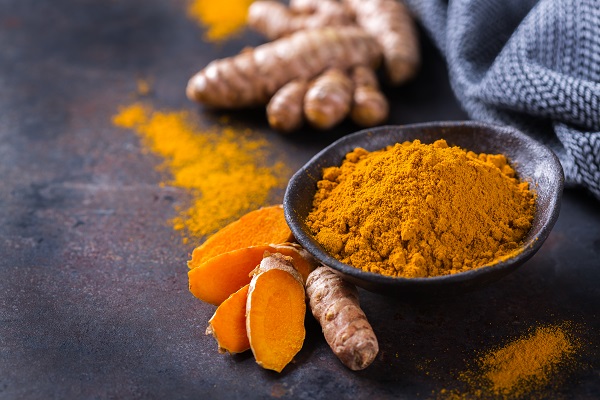
Turmeric, a vibrant yellow spice, has been a staple in culinary and medicinal practices, particularly in Asian cultures, for thousands of years. Its active ingredient, curcumin, is renowned for its potent anti-inflammatory and antioxidant properties. Beyond the kitchen, turmeric has carved a niche in the wellness community, praised for its potential to alleviate various health issues, from arthritic pain to digestive disorders.
Scientific research has been catching up with traditional knowledge, exploring the full spectrum of turmeric’s health benefits. Studies suggest that turmeric can play a significant role in preventing and treating chronic conditions like heart disease and diabetes. Its anti-inflammatory and antioxidant effects are also being investigated for their potential in cancer prevention and treatment, making turmeric a subject of great interest in the medical community.
Echinacea

Echinacea, often spotlighted for its immune-boosting capabilities, originates from North America and has been used by indigenous tribes for centuries. This flowering plant is sought after for its ability to prevent and alleviate common cold symptoms. Its popularity in modern herbal medicine is a testament to its enduring efficacy in boosting the body’s natural defense system.
Research into Echinacea’s effectiveness presents a mixed bag of results, with some studies affirming its role in reducing the duration and severity of colds, while others suggest minimal impact. Despite these varying outcomes, Echinacea remains a top choice for those seeking natural ways to fortify their immune system, with ongoing studies aiming to unravel the complexities of its medicinal properties.
St. John’s Wort
St. John’s Wort, a plant with a rich history in herbal medicine, is primarily known for its use in treating depression. Its name derives from its traditional harvesting on St. John’s Day, and it has been used for mental health purposes since ancient times. The active compounds in St. John’s Wort, such as hypericin, are believed to have antidepressant properties, making it a popular alternative to conventional treatments.
Contemporary research on St. John’s Wort has shown promising results in the management of mild to moderate depression. However, it’s crucial to approach its use with caution, as it can interact with various medications. While it offers a glimmer of hope for those seeking natural remedies for mental health, thorough consultation with healthcare professionals is advised to ensure safe and effective use.