Poor posture is more than just a cosmetic issue—it can lead to chronic pain, spinal misalignment, poor circulation, and even fatigue. With modern lifestyles centered around sitting at desks, looking down at screens, and engaging in repetitive movements, posture problems are more common than ever. Over time, bad posture can cause permanent structural changes in the body, increasing the risk of joint pain, muscle stiffness, and even breathing difficulties. The good news is that it is never too late to correct poor posture. By following this five-step plan, anyone can take simple, effective actions to realign their body, strengthen muscles, and prevent long-term health issues.
Step 1: Identify and Correct Common Postural Mistakes

The first step in fixing poor posture is recognizing the most common mistakes people make in their daily lives. Forward head posture, also known as “tech neck,” occurs when the head juts forward due to prolonged screen use. Rounded shoulders and a hunched back often develop from hours of sitting without proper lumbar support. Some individuals also experience excessive lower back arching, known as swayback, which strains the spine. Identifying these posture issues is crucial before making corrections, as many people do not realize how their everyday habits contribute to misalignment.
To assess posture, individuals can perform a simple wall test by standing with their back against a wall and checking if their head, shoulders, and lower back naturally align. Another method is observing posture in the mirror from multiple angles, paying attention to imbalances. Common signs of poor posture include frequent back or neck pain, uneven weight distribution, and slouching while sitting. Once problem areas are identified, small adjustments can make a big difference. Simple corrections include keeping the head aligned with the spine, drawing the shoulders back slightly, and engaging core muscles when sitting or standing.
Step 2: Strengthen Key Postural Muscles

Fixing posture is not just about adjusting body alignment—it also requires strengthening the muscles that support proper posture. Weak core muscles fail to provide the necessary support for the spine, leading to slouching and discomfort. The upper back muscles, including the rhomboids and trapezius, play a crucial role in maintaining an upright position. When these muscles are weak, the shoulders tend to round forward, exacerbating poor posture. Additionally, tight chest muscles can pull the shoulders inward, further contributing to imbalance.
A well-rounded posture correction routine includes exercises that strengthen the core, back, and shoulders. Planks, dead bugs, and bird dogs are excellent core exercises that help stabilize the spine. Resistance band pull-aparts and bent-over rows target the upper back to counteract rounded shoulders. Simple daily habits, such as stretching tight chest muscles and practicing shoulder blade squeezes, can reinforce better alignment. Incorporating these exercises into a regular routine not only improves posture but also prevents pain and stiffness associated with muscular imbalances.
Step 3: Adjust Your Work and Living Environment
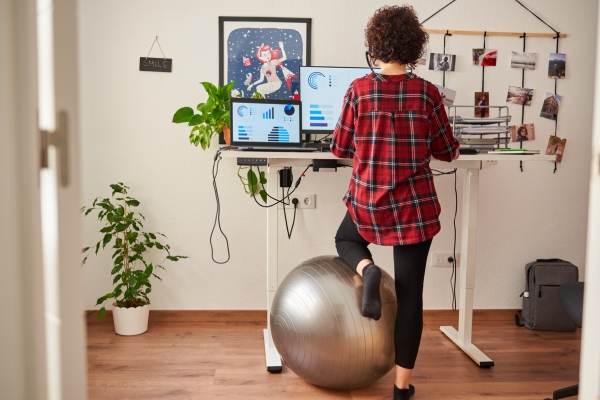
Poor posture is often reinforced by an unsupportive work and home environment, making ergonomic adjustments essential. Sitting at a desk for long hours without proper positioning can lead to slouching, neck strain, and lower back pain. A poorly positioned screen encourages forward head posture, while an inadequate chair can contribute to spinal misalignment. Standing for long periods without even weight distribution also creates tension in the lower back and hips. Without modifying these daily surroundings, maintaining good posture becomes much more challenging.
To create a posture-friendly environment, screens should be positioned at eye level to prevent excessive neck bending. Chairs with lumbar support help maintain the natural curve of the lower back, reducing strain on the spine. Sitting with feet flat on the floor and keeping the elbows at a 90-degree angle minimizes unnecessary pressure on the body. Additionally, making small lifestyle changes—such as using a standing desk, taking movement breaks every 30 minutes, and practicing proper sleeping posture—can significantly improve spinal alignment. By adjusting both work and living environments, individuals can reinforce healthier postural habits and prevent long-term damage.