

Bones, Joints and Long-Term Risk: What Researchers Say About Sedentary Behavior
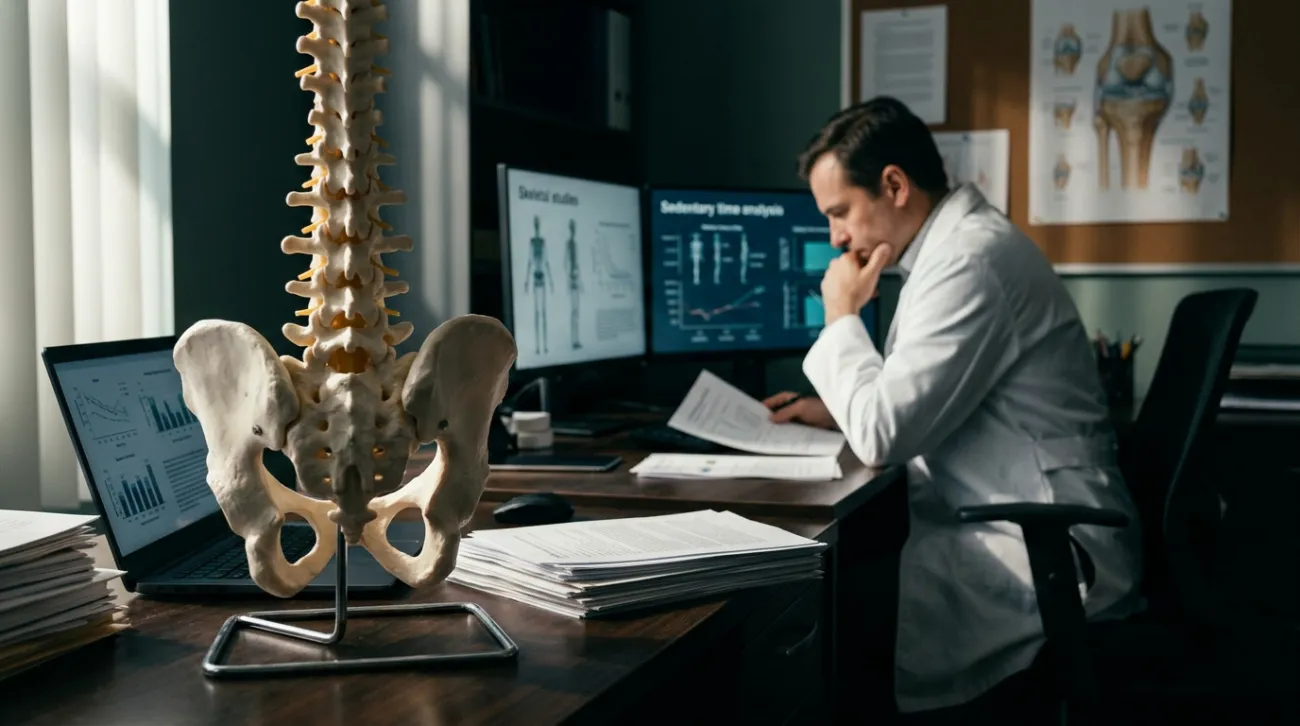
Bones respond to the forces placed on them by weight-bearing activity such as walking, and joints depend on movement to circulate the fluid that nourishes cartilage. A life with very little movement offers fewer of those signals, which is one reason physical activity is encouraged for lifelong bone and joint health. This does not mean that sitting directly damages bones, but a mostly sedentary routine removes a helpful stimulus.
At the population level, reviews of many studies have associated large amounts of sitting with a higher risk of early death and with certain chronic conditions, including some cancers, though the strength of the evidence differs between conditions. It is important to read these findings carefully. They describe patterns across large groups and cannot predict what will happen to any one person. They are also influenced by factors such as age, existing illness, diet, smoking and income, which researchers try to account for statistically but cannot always remove entirely.
Can Exercise Cancel It Out? Moving More and Sitting Less
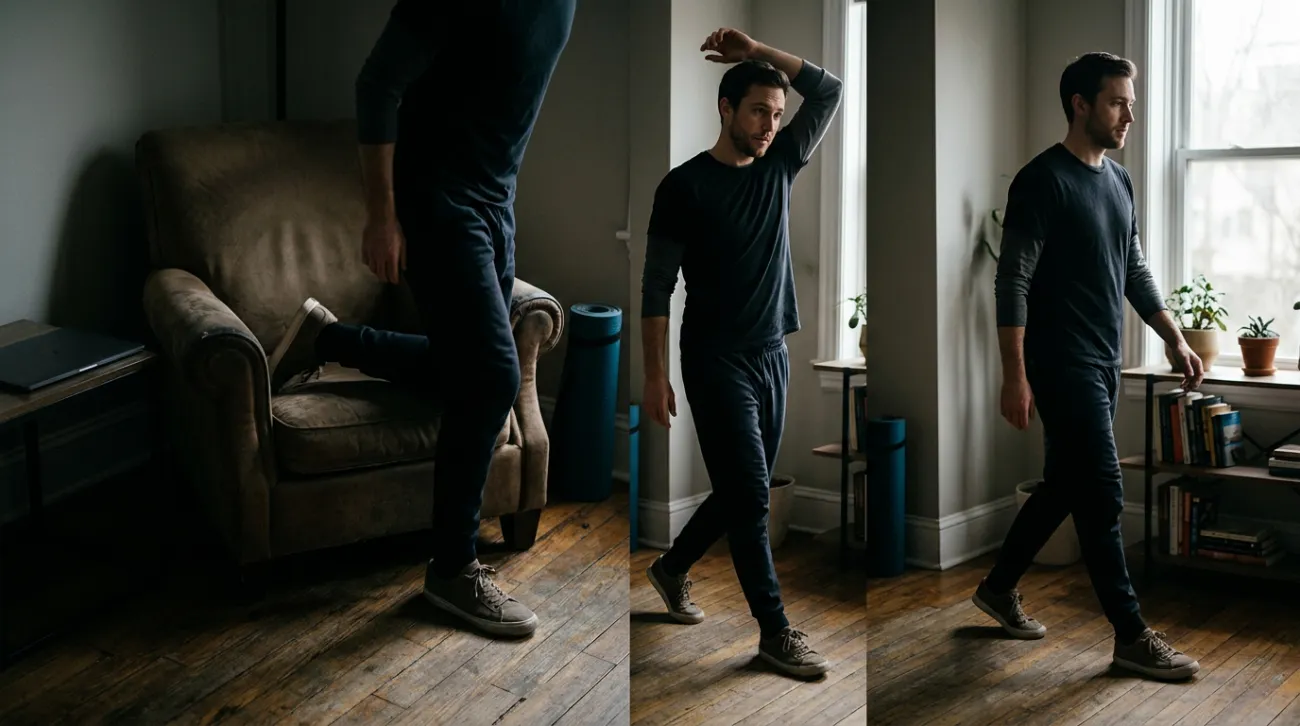
A common question is whether a daily workout undoes the effects of sitting the rest of the day. The research suggests that regular exercise lowers risk and appears to offset part of the harm linked to sitting, but some analyses indicate that very high sitting time may still be associated with worse outcomes, especially among people who do little exercise. This is why many guidelines now address two separate habits: getting enough moderate or vigorous activity, and reducing time spent sitting.
The World Health Organization’s physical activity guidelines advise adults to limit sedentary time and to replace it with physical activity of any intensity, noting that more activity is better. In practical terms, public health bodies commonly suggest standing up regularly, taking short walking breaks, using phone calls or meetings as opportunities to stand or move, and, where possible, alternating between sitting and standing at work. These are low-cost changes, and they do not require a gym, special equipment or a major lifestyle overhaul.
A Quick Overview: Body Systems Affected by Too Much Sitting
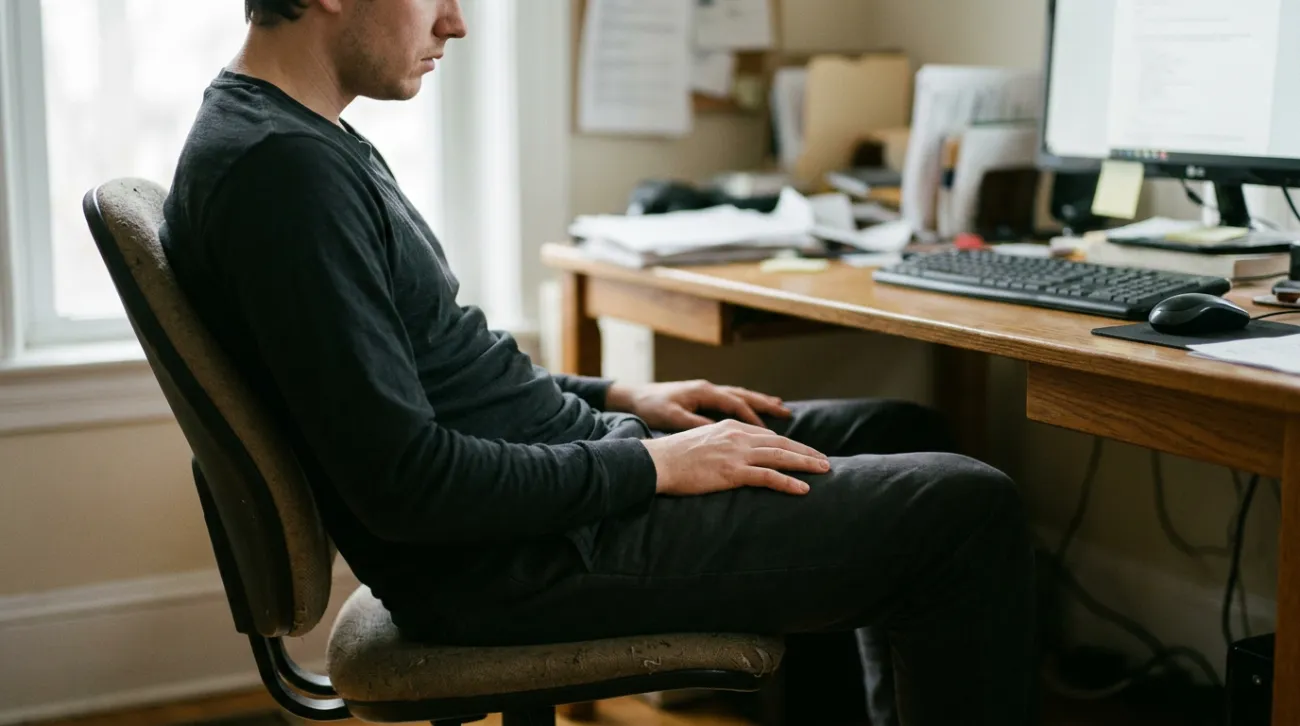
Contextual breakdown (editorial categorization, not measured data).
Muscles
Less activity in the legs, hips and trunk, with possible weakness and tightness.
Circulation
Slower blood flow in the lower limbs and a link to cardiovascular risk in observational studies.
Metabolism
Less efficient glucose handling and lower daily energy use.
Spine and Posture
Sustained strain on the neck, shoulders and lower back from unchanging positions.
Mood and Mind
Associations with low mood and anxiety, though the direction of cause is unclear.
Bones and Joints
Fewer weight-bearing signals and less joint movement across a sedentary routine.
Source: editorial summary of general guidance from public health and medical organizations such as the World Health Organization, the CDC and the American Heart Association.
Standing Up for Your Health: A Closing Perspective on Sitting Less
The things that happen to your body when you sit too long are rarely dramatic in a single afternoon, but they add up through reduced muscle activity, slower circulation, less efficient blood sugar handling, strained posture and a possible effect on mood, all of which researchers have linked in varying degrees to long-term health. Much of the evidence comes from observational research, so it points to patterns rather than guarantees, and it should be read alongside advice from a doctor who knows your own health history. The consistent message from major health organizations is encouraging and practical: move more, sit less, and break up long stretches in a chair with short, regular bursts of activity. You do not need to give up your desk or your sofa, only to make a habit of getting up often enough that your body is reminded it was built to move.