Premenstrual Dysphoric Disorder

Most women face premenstrual dysphoric disorder in their 30s. This problem occurs mainly because of hormone changes, progesterone and estrogen produced by the ovaries, and any family history with depression. PMDD symptoms are mood swings, depression, irritability, frustration, inability to do everyday activities, anxiety, and increased cramps or pain. If you see any symptoms go to your gynecologist and talk about the situation you are going through, and they will guide you the right way to handle it.
Type 2 Diabetes

Many women, along with weight gain, struggle with other problems with type 2 diabetes in their 30s. Most women in the US have diabetes but do not even know about it because they never notice the diabetes symptoms. The type 2 diabetes problem occurs in many people because they consume high calories, fast food, sweet beverages, and spend more time sitting. You can know that you have type 2 diabetes from the symptoms like fatigue, repeated urination, blurred vision, unexpected weight loss, increased thirst or hunger, etc.
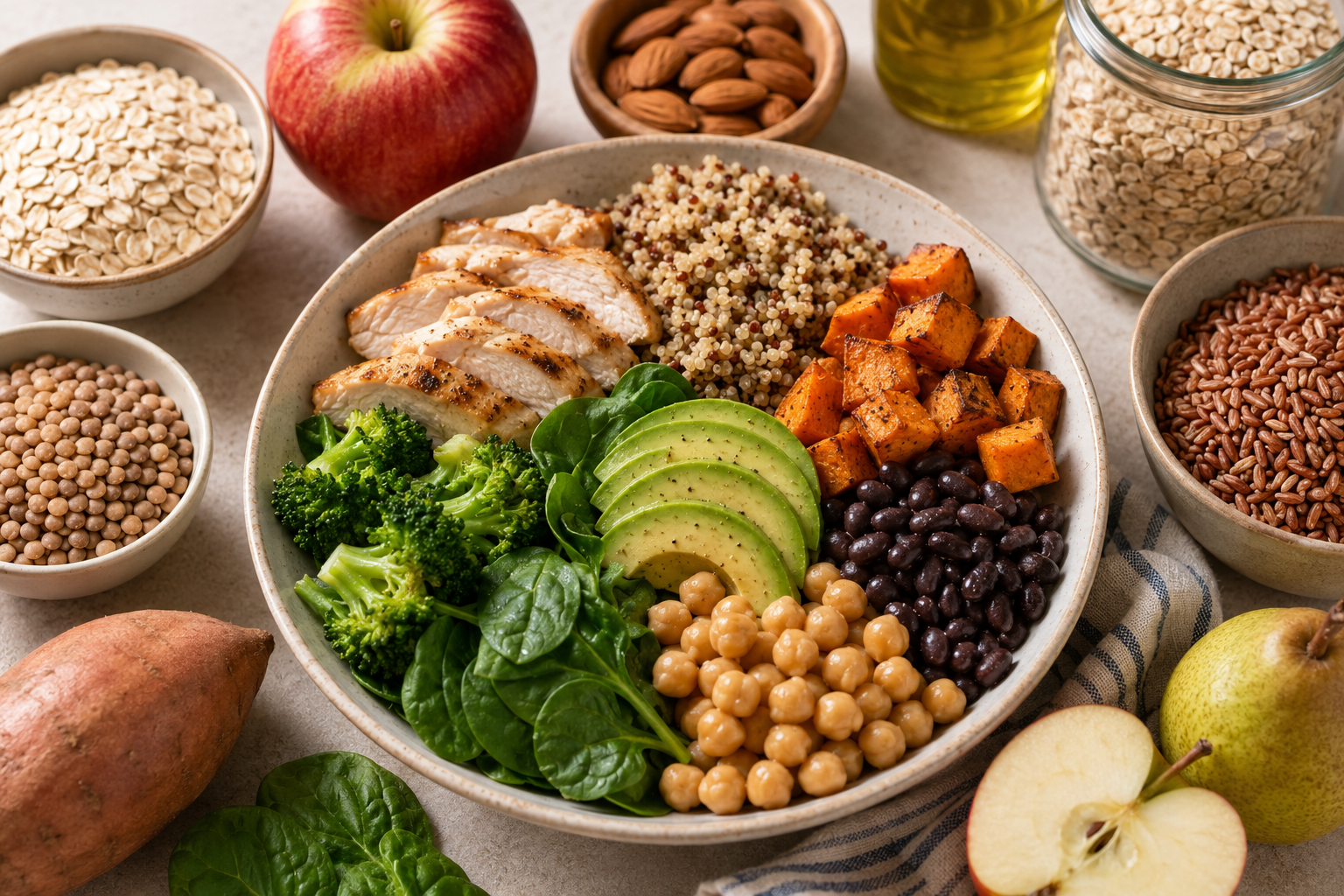
To control or handle this issue of health, do exercise daily to stay yourself active, include fruits like fruit from trees, peppers, and tomatoes, legumes like lentils, chickpeas, and beans, veggies like broccoli, cauliflower, and leafy green in your diet, reduce your stress level by doing festive activities. It also raises the risk of heart diseases.
Hair Loss
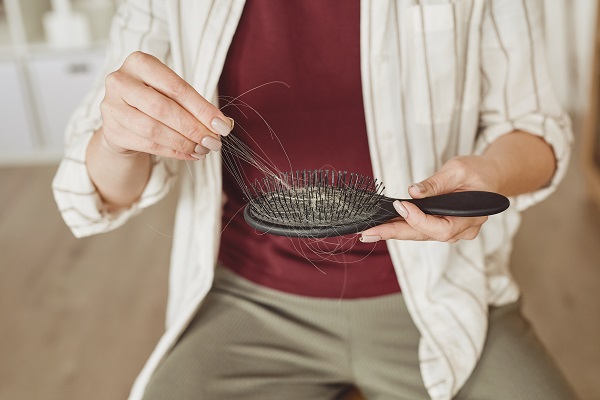
Losing hair daily is natural for every woman. According to studies, most women lose hair because of vitamin D and iron deficiency. But some women lose excessive hair in their 30s because of a lack of nutrients, high-stress level, genetic background, and pregnancy. To control hair loss, eat yogurt (an excellent source of probiotics), fenugreek, apply onion juice, coconut oil, and amla oil, and reduce stress levels.
Strokes
According to recent studies, it is found that 30% of women get strokes in the ages of 18-34. This rise is a concern. The risk of stroke increases because of high blood pressure, high cholesterol, smoking, diabetes, and obesity. Women have a higher risk of stroke than men in their 30s if they take birth control pills or are pregnant. Common diseases like rheumatoid arthritis and lupus in women are also the main reason for stroke. To save yourself from the risk of strokes, you can do things like regular exercise, maintain low blood pressure, quit smoking, take medicine to control diseases (rheumatoid arthritis and lupus), treat diabetes, and lose weight.
Poor Sleep Quality

Good quality sleep is essential for everyone; it causes stress and strain on your body and mind if you do not get proper sleep. When we are in excellent or deep sleep, our mind and body get time for repair and rebalancing, and good sleep also has a substantial impact on our overall health. Unfortunately, many people nowadays experience poor sleep because of many reasons like consuming alcohol before bed, poor bed environment, caffeine, stress and anxiety, bad sleeping habits, etc.
Poor sleep has very bad or adverse effects on mental and physical health like cardiovascular diseases, hormone imbalance, type 2 diabetes, weak immune system, high blood pressure, increased anxiety, depression, bipolar disorder, etc. To avoid poor sleep or take good sleep, adopt some changes like consuming caffeine in the afternoon, not using electronics before one hour to go to bed, maintaining good sleeping habits, avoiding consuming alcohol before going to bed, trying to go to bed after reducing your stress, etc. If you cannot manage your sleep, go to a professional. They help you to keep your mind calm.
Conclusion
There is no doubt that the habits and lifestyle we follow in our child or young age impact our healthy lives later. So it is essential to maintain a healthy and good life from earlier to survive your whole life smoothly. So if you see any symptoms of any disease mentioned above, take precautions. And even then, you do not feel well-taking advice from your doctor or general practitioner as early as possible.