
What the Satiety Index Found

One of the most frequently cited pieces of research on this topic is the Satiety Index, published in 1995 by Susanne Holt and colleagues at the University of Sydney in the European Journal of Clinical Nutrition. The team fed volunteers 38 different foods in portions with equal calories and then measured how full they felt over the following two hours, comparing each food with white bread.
In the Sydney study, boiled potatoes ranked as the most filling food tested, while croissants ranked among the least. Foods such as fish, oatmeal and fruit also scored well. The study was relatively small, tested foods in isolation and measured only a short window, so it is best read as an illustration of patterns rather than a ranking to follow rigidly.
The findings pointed to features that match later research. Foods with more protein, fiber and water scored better, while foods high in fat and refined carbohydrate, such as pastries, cake and doughnuts, scored lower. The result about potatoes surprises many readers, as they are often grouped with less healthy starches, but it shows that preparation and the food as a whole matter. Boiled potatoes are bulky, water-rich and unprocessed, which differs from the same vegetable fried or heavily buttered.
Processed Foods and Appetite
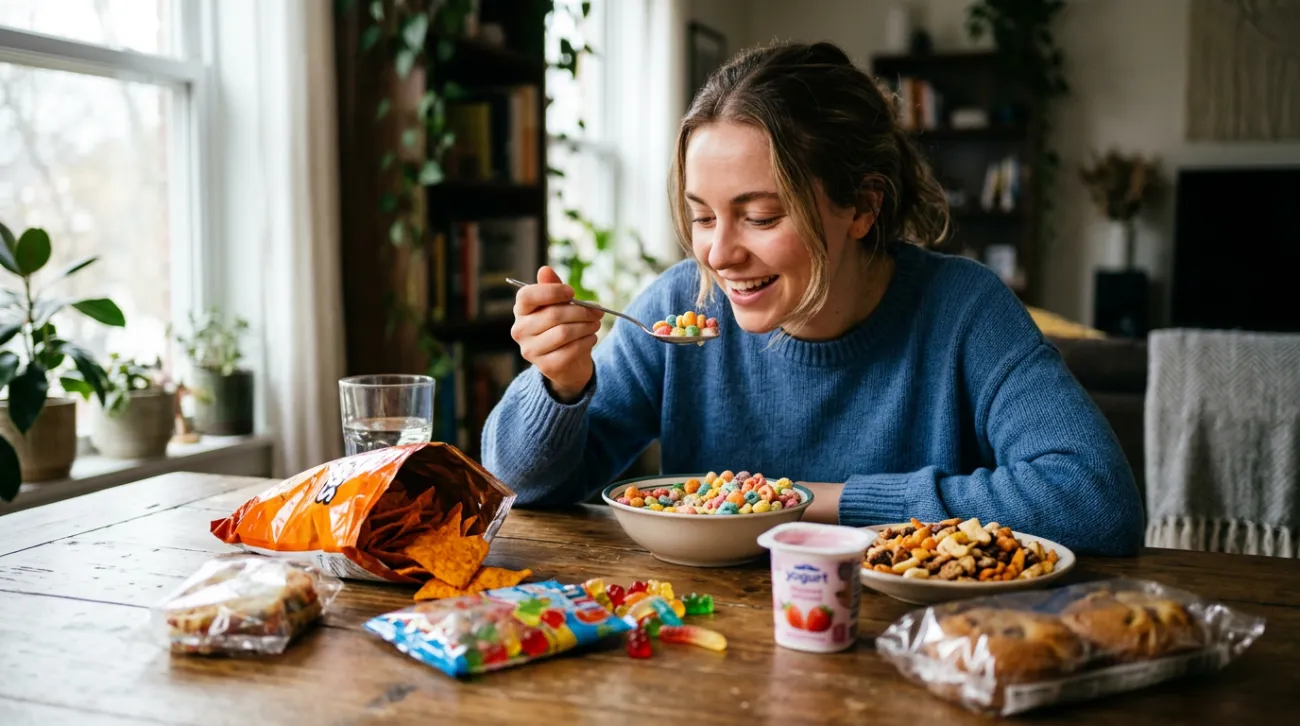
How a food is processed may also influence fullness. In a 2019 study by Kevin Hall and colleagues at the National Institutes of Health, published in Cell Metabolism, 20 adults lived in a clinical research setting and ate either an ultra-processed diet or an unprocessed diet for two weeks each, with meals matched for presented calories, sugar, fat, fiber and macronutrients. Participants ate more on the ultra-processed diet, by roughly 500 calories per day, and gained weight, while they lost weight on the unprocessed diet.
The study was small and short, and the reasons behind the difference are still being investigated. Possible explanations discussed by researchers include eating speed, texture and the way these foods are formulated. Even so, the results are consistent with the broader advice to favor minimally processed foods when fullness is a goal. Soft, quickly eaten, easily chewed foods may allow people to consume more before satiety signals catch up, while foods that require chewing slow the pace of a meal and give those signals time to work.
Building a Satisfying Meal

In practice, the most reliable approach is to combine categories rather than rely on one. A bowl of oatmeal topped with nuts and berries, a salad with beans and grilled fish, or yogurt with fruit and seeds all bring together protein, fiber and volume. Eating slowly, sitting down for meals and limiting distractions can also support the body’s natural signals, since awareness of food affects how satisfied people feel afterward.
tandalone.cmd.push(function () { ezstandalone.showAds(130); }); Contextual breakdownProtein sources
Eggs, fish, poultry, Greek yogurt, tofu and lentils tend to appear in research on reduced hunger.
Fiber sources
Oats, beans, whole grains, vegetables and fruit add bulk and slow digestion.
Water-rich foods
Soups, salads, fruit and cooked vegetables add volume with relatively few calories.
Fat sources
Nuts, avocado, olive oil and fatty fish can add richness and slow digestion when portions stay modest.
Editorial categorization based on general nutrition research, not measured data.
Personal factors matter too. People with diabetes, kidney disease, digestive conditions or a history of disordered eating may need tailored guidance, and a registered dietitian or physician can help adapt general advice to individual needs. For most healthy adults, though, the principles are straightforward and flexible enough to fit many food cultures and budgets, since beans, eggs, oats, frozen vegetables and canned fish are all affordable ways to put them into practice.
Eating Smarter to Stay Satisfied
Foods that keep you full longer share a few recognizable traits: they tend to be rich in protein or fiber, high in water, minimally processed and eaten with some attention to pace. No single food works for everyone, and the research behind many claims comes from small or short studies, so the most sensible approach is to build meals from a mix of whole foods, notice what leaves you satisfied for the longest and adjust from there. Treating fullness as a skill to practice, rather than a test of willpower, can make healthy eating feel easier and far more sustainable.
This article is for general information and does not replace personal medical or nutritional advice.