
Lifestyle Adjustments For Healing

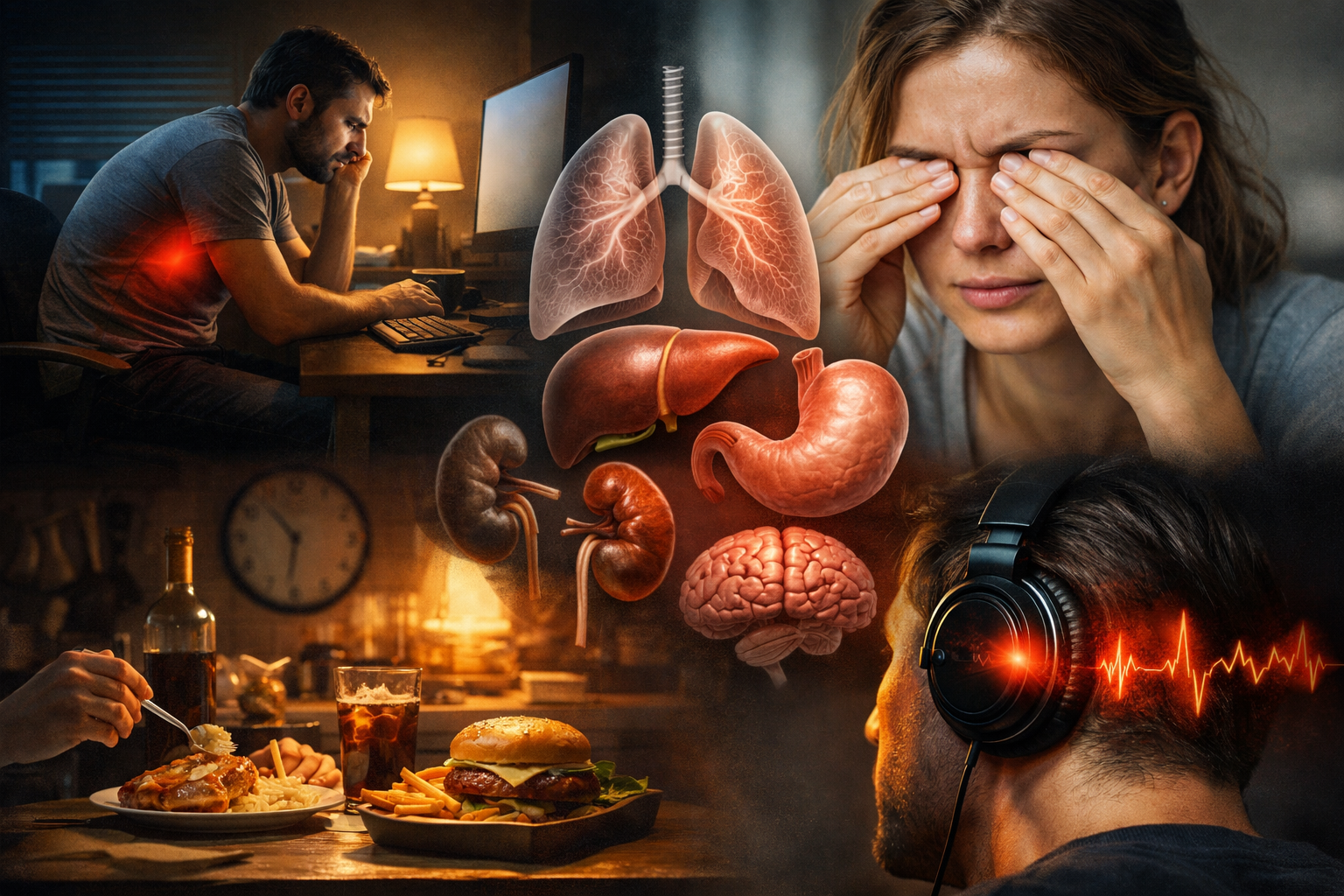
Nutrition, hydration, and sleep play pivotal roles in the body’s ability to heal from chronic injuries. A diet rich in anti-inflammatory foods, adequate hydration, and sufficient sleep can significantly influence the recovery process. These lifestyle adjustments support the body’s natural healing mechanisms, providing the nutrients and energy needed for tissue repair. Additionally, maintaining a balanced diet helps manage weight, reducing stress on injured areas and promoting overall health.
Modifying daily activities and exercise routines is often necessary to accommodate an injury and prevent further damage. It may involve adjusting the intensity, duration, or type of physical activity to allow for healing while still maintaining overall fitness. For some, this might mean switching from high-impact exercises to low-impact alternatives such as swimming or cycling. The key is to find a balance that allows for physical activity without exacerbating the injury, under the guidance of a healthcare professional or physical therapist.
Psychological Strategies For Coping

Chronic injuries can take a toll on mental health, leading to feelings of frustration, depression, and anxiety. It is crucial for individuals to address these psychological impacts alongside the physical aspects of their injury. Techniques such as mindfulness meditation, cognitive-behavioral therapy (CBT), and participation in support groups can offer significant benefits. These strategies help individuals manage the stress and emotional challenges that accompany long-term recovery, fostering a more positive and resilient mindset.
Building psychological resilience is an integral part of the healing process. Encouragement to set realistic goals, celebrate progress, and maintain social connections can prevent feelings of isolation and helplessness. Mental health professionals and support networks can provide the necessary support, offering coping mechanisms and a sense of community. Acknowledging the psychological struggle and seeking help is a strength, not a weakness, paving the way for a more holistic and successful recovery.
Engaging In Physical Therapy And Rehabilitation

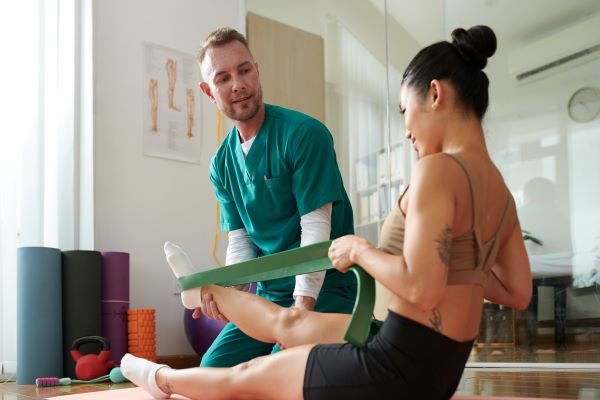
Physical therapy is a cornerstone of recovering from chronic injuries, designed to restore strength, flexibility, and mobility. Through a series of targeted exercises and manual therapy techniques, physical therapists help individuals work through their limitations, gradually improving function. The personalized nature of these programs ensures that each individual’s specific needs and recovery goals are met, making physical therapy a highly effective component of the treatment plan.
As recovery progresses, the
rehabilitation program can be adjusted to reflect improvements in strength and mobility. This dynamic approach allows for the gradual reintroduction of activities that were previously too painful or difficult, guided by the expertise of the physical therapist. Motivation and adherence to the prescribed regimen are crucial for success, underscoring the importance of a strong patient-therapist partnership. This collaborative effort not only aids in physical recovery but also boosts confidence and fosters a positive outlook towards complete rehabilitation.Exploring Alternative And Complementary Therapies
Alternative therapies such as acupuncture, chiropractic care, and massage therapy have gained recognition for their potential benefits in managing chronic injuries. These treatments can provide pain relief, reduce inflammation, and improve circulation, complementing traditional medical treatments and physical therapy. While not a substitute for conventional care, these therapies can play a supportive role, offering a holistic approach to healing that addresses both the physical and emotional aspects of recovery.
Adopting a holistic approach to health care emphasizes the interconnection between body and mind in the healing process. For many, integrating complementary therapies into their recovery plan supports overall well-being and can enhance the effectiveness of traditional treatments. It is important for individuals to consult with their healthcare providers before incorporating these therapies to ensure they are appropriate for their specific condition and complement their overall treatment strategy.
The Bottom Line
Dealing with physical injuries that refuse to heal requires patience, perseverance, and a comprehensive approach to treatment. From accurate diagnosis to personalized treatment plans, lifestyle adjustments, and psychological support, each step plays a vital role in the journey towards recovery. It’s essential to explore all available options, including traditional and innovative treatments, while making the necessary adjustments to daily life to support healing. By adopting a holistic approach that addresses both the physical and emotional impacts of chronic injuries, individuals can navigate the challenges of recovery with resilience and hope, moving closer to